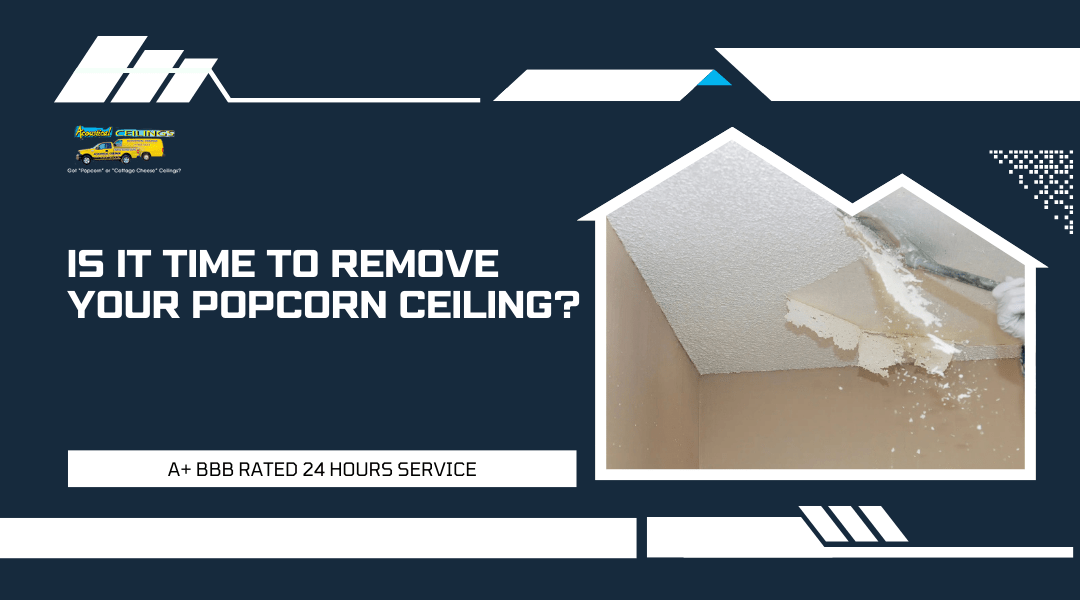
If you have a popcorn ceiling in your home, you may be wondering if it’s time to remove it. Removing your popcorn ceiling can significantly update the look of your space and increase its value. Many homeowners are opting for smoother, more modern ceiling finishes that complement contemporary design.
Popcorn ceilings were once popular for their ability to hide imperfections and reduce noise. However, they can also make a room feel dated and may contain harmful materials. Weighing the pros and cons can help you decide if it’s right for you.
This article will explore the reasons to consider removing your popcorn ceiling, the steps involved, and how professional help can ensure a clean and efficient process. Discover how this small change can have a big impact on your home’s aesthetic and value.
Why Were Popcorn Ceilings Popular?
Popcorn ceilings became a favored choice for many homeowners for several reasons. Their unique texture not only added character but also offered practical benefits. Understanding these factors can help you grasp why they were once the go-to ceiling treatment.
Original Purpose and Benefits
The main appeal of popcorn ceilings lies in their ability to hide imperfections. Cracks and uneven surfaces became less noticeable thanks to the rough texture. This characteristic saved time and money on extensive drywall repairs.
Another benefit was the sound absorption that popcorn ceilings provided. The bumpy surface helped reduce noise between floors, making them a great choice for multi-story homes. This feature offered a more peaceful living environment.
In addition, popcorn ceilings were relatively easy to apply. Contractors could spray on the material quickly, which sped up the construction process. This efficiency made them a popular option during the mid-20th century when many homes were being built.
Commonly Used Materials in Popcorn Ceilings
The materials used in popcorn ceilings varied over the years. Originally, mixtures often included asbestos, which provided a certain durability. However, this raised safety concerns, leading to changes in production.
After the late 1970s, manufacturers began using alternatives like vermiculite and polystyrene. These materials maintained the desired texture while eliminating health risks. Vermiculite is a mineral that provided sound-dampening qualities, while polystyrene offered a lightweight option.
Homeowners enjoyed the flexibility of different grades of texture. There were fine, medium, and coarse options available. These choices allowed you to customize the appearance of your ceiling based on personal preference.
Reasons to Remove Your Popcorn Ceiling
Popcorn ceilings can bring various issues that may affect your living environment. From aesthetic concerns to health risks, you may want to consider their removal for a better home experience.
Outdated Aesthetic Appeal
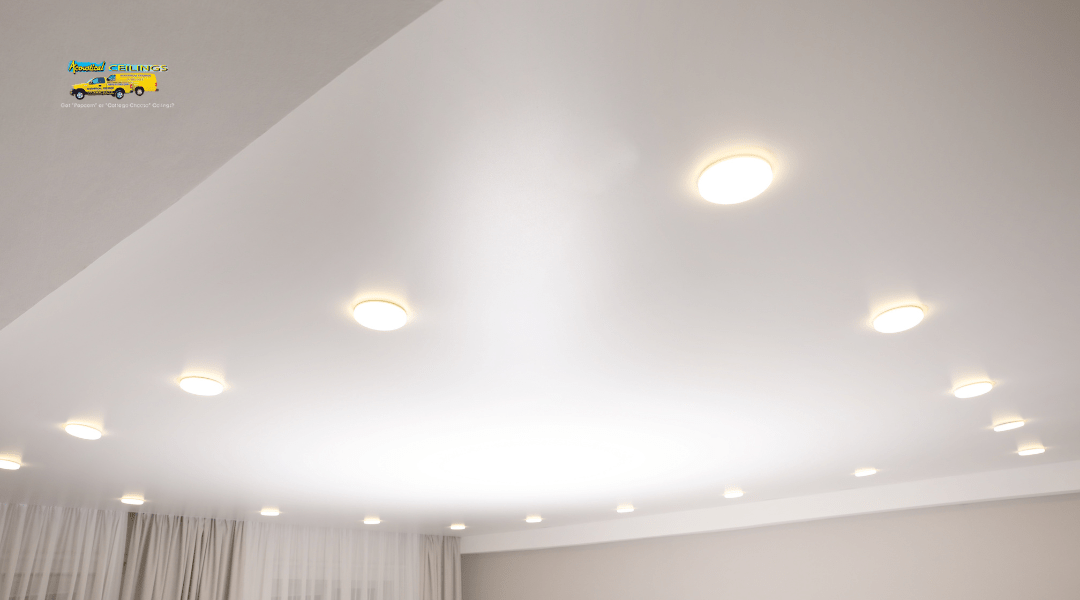
Many homeowners find that popcorn ceilings create an outdated look. This texture was popular in the mid-20th century, but today’s design trends favor smoother ceilings. A smooth ceiling can instantly modernize your space, making it feel more open and inviting.
If you plan to sell your home, consider that potential buyers may be turned off by the popcorn texture. A flat ceiling can enhance the visual appeal of your rooms, increasing the overall attractiveness to buyers. Upgrading to a modern ceiling style may lead to a quicker sale and potentially higher offers.
Potential Asbestos and Health Risks
Another important reason to remove popcorn ceilings is the potential presence of asbestos. Many ceilings installed before the 1980s contain this harmful substance. Asbestos fibers can become airborne when disturbed, posing serious health risks if inhaled.
If your home was built before this era, it’s vital to have the ceiling tested for asbestos. If present, you must follow proper procedures to remove it safely. This step not only protects your health but also ensures that any renovation you undertake is safe for you and your family.
Difficulty in Cleaning and Maintenance
Popcorn ceilings are known for trapping dust and dirt, making them challenging to clean. The uneven texture can accumulate cobwebs and allergens over time, affecting indoor air quality. Regular cleaning often proves tedious and ineffective, leading to a less-than-ideal living environment.
Replacing the popcorn ceiling with a smooth surface simplifies maintenance. A flat ceiling is easier to wipe down, making it a healthier choice for your home. By eliminating this dusty texture, you can improve the overall cleanliness and comfort of your space.
Reduced Property Value
Popcorn ceilings can deter potential buyers and lower property value. Many homebuyers view these ceilings as a red flag, signaling that updates might be needed. If you’re considering selling, having an updated ceiling can be a smart investment.
Investing in ceiling removal could lead to a higher appraised value for your property. Homes with modern finishes often attract more interest and offers. Removing the popcorn texture may give you an edge in a competitive real estate market.
How to Determine If Your Popcorn Ceiling Contains Asbestos
Identifying asbestos in your popcorn ceiling is crucial for your safety. You need to check the age of your home, use safe testing methods, and understand the legal responsibilities related to asbestos.
Homes Built Before 1980: What You Should Know
If your home was built before 1980, there is a higher chance that your popcorn ceiling may contain asbestos. During this time, asbestos was commonly used in many building materials due to its fire-resistant properties. If you suspect your popcorn ceiling could be old, proceed with caution.
Look for specific indicators in your home’s construction. For instance, ceilings with a textured finish, often referred to as “popcorn,” may raise flags. Always check your home’s construction records to see when it was built; this will help determine the risk.
Safe Methods for Testing Asbestos Presence
The safest way to determine if your popcorn ceiling contains asbestos is through professional testing. First, you should never attempt to remove any material without protective gear. This includes masks, gloves, and goggles to prevent inhalation of harmful fibers.
You can collect a sample yourself; however, it is best to hire a professional who knows how to handle asbestos safely. Professionals will send the samples to a certified laboratory for analysis. This method ensures accurate results without risking your health from exposure.
Legal and Safety Considerations
Understanding the legal implications of asbestos is very important. If your popcorn ceiling is found to contain asbestos, specific regulations dictate how to proceed. You may be required to notify local health departments or follow certain abatement procedures.
In many areas, safely removing asbestos should only be done by licensed professionals. Attempting to remove it yourself can lead to fines or legal issues. Always stay informed about the regulations in your area to ensure compliance and safety.
Methods for Popcorn Ceiling Removal
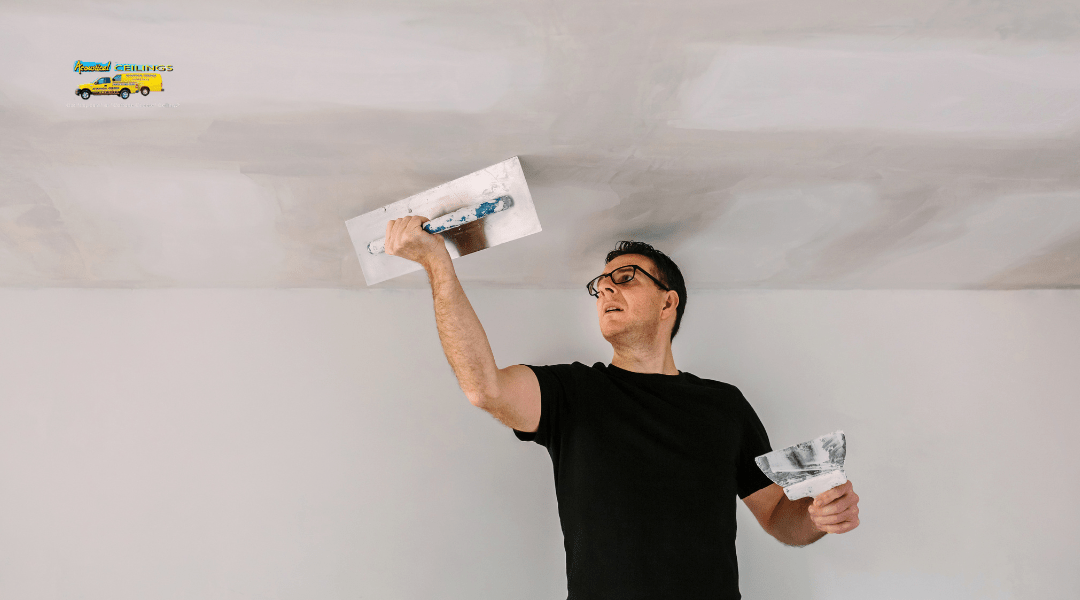
Removing a popcorn ceiling can be a straightforward process when you choose the right method. Different techniques offer various advantages and challenges. Below are three effective methods for removing popcorn ceilings.
Wet Scraping vs. Dry Scraping Techniques
Wet scraping involves applying water to the popcorn ceiling before removal. This method helps to soften the material, making it easier to scrape off. You can use a garden sprayer or a sponge to apply the water. Always test a small area first to ensure the ceiling is not damaged.
Dry scraping, on the other hand, requires no water. You use a putty knife or scraper to remove the popcorn texture. This method is faster but can create more dust and debris. Wearing a mask and protective eyewear is essential for both techniques. Choose based on your comfort with mess and cleanup.
Covering Popcorn Ceiling with Drywall or Skim Coating
If you prefer not to remove the popcorn ceiling, consider covering it with drywall or applying a skim coat. Using drywall is a solid choice, as it provides a smooth surface and can be painted over easily.
For skim coating, mix joint compound with water and apply a thin layer over the popcorn texture. This method can achieve a clean look and is less labor-intensive. Ensure your ceiling is well-prepared and those edges are sealed to avoid cracks later. Both options allow you to hide the popcorn texture without the mess of removal.
Using Chemical Solutions for Removal
Chemical solutions can help in the removal of popcorn ceilings, especially when they contain stubborn materials. Look for products specifically designed for this task. These solutions often weaken the bond between the ceiling and the texture.
Before applying any chemicals, cover your floors and furniture to protect them. Follow the manufacturer’s instructions carefully to avoid damaging the drywall beneath. It’s also important to wear protective gear, such as gloves and a mask, to ensure safety during the process. Remember that while this method can be effective, it may involve a longer cleanup time.
Tools and Materials Needed for Popcorn Ceiling Removal
Removing a popcorn ceiling requires specific tools and materials to ensure the job is done correctly and safely. Proper preparation and safety measures are important to make the process easier and more efficient.
Essential Equipment for DIY Removal
To effectively remove a popcorn ceiling, you’ll need the right equipment. Here are the key tools:
- Paint Scraper or Putty Knife: Use a paint scraper or a flexible putty knife for scraping the texture off the ceiling. These tools help to lift the popcorn material without damaging the underlying surface.
- Pump Sprayer: A pump or garden sprayer can help moisten the ceiling before scraping. This makes the removal process easier and reduces the amount of dust produced.
- Mud Pan: Place a mud pan beneath your work area to catch any debris as you scrape. This will help keep your floor clean during the project.
- Drop Cloths or Plastic Sheets: Cover your furniture and floors with drop cloths or plastic sheets to protect them from falling debris.
Protective Gear and Safety Precautions
Safety is crucial when removing popcorn ceilings. Consider these protective measures:
- Safety Goggles: Protect your eyes from dust and particles by wearing safety goggles while you work.
- Dust Mask or Respirator: A dust mask or respirator will help you avoid inhaling harmful particles, especially if the ceiling contains asbestos.
- Gloves: Wear sturdy gloves to protect your hands from sharp tools and debris.
- Long-Sleeved Clothing: Dressing in long sleeves and long pants will help shield your skin from any irritation caused by textures or dust.
Be sure to check your ceiling for asbestos if it was installed before the 1980s. If asbestos is present, it’s best to hire a professional.
Preparing Your Room to Minimize Cleanup
Before starting the removal process, preparing your room can save time and effort in cleanup:
- Remove Furniture: Take out all the furniture and décor from the room. This ensures that your items are not damaged and provides easier access to the ceiling.
- Seal Off the Area: Use plastic sheeting to seal doorways and vents. This will help contain dust and debris within a specific area.
- Clear the Floor: Remove rugs and other items from the floor. This reduces the chances of them getting dirty or damaged.
By ensuring your workspace is organized, you can focus on removing the popcorn ceiling without distraction.
Cost of Removing a Popcorn Ceiling
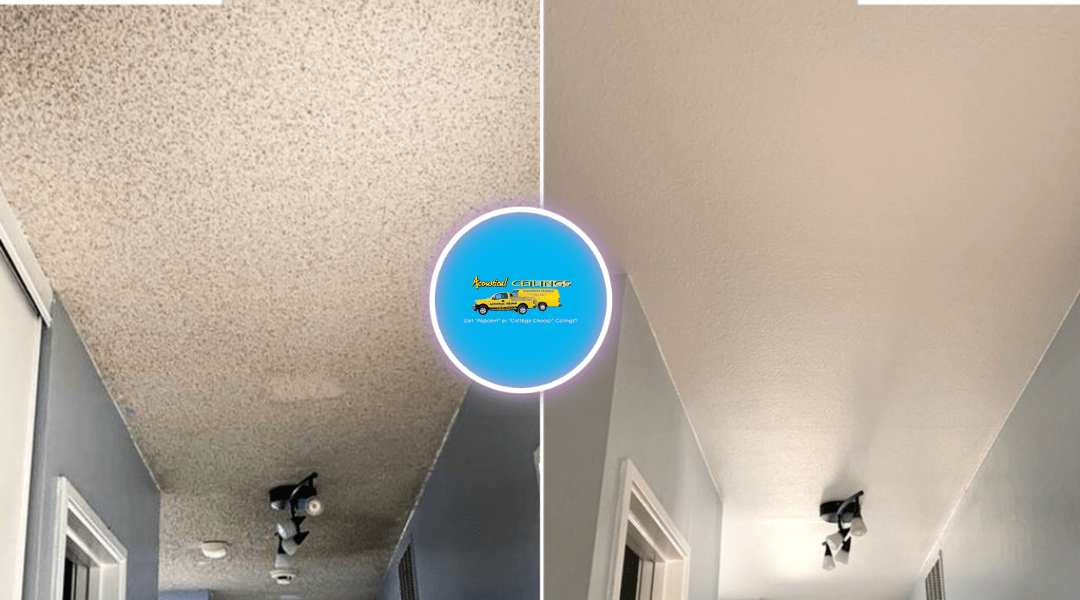
Removing a popcorn ceiling can vary widely in cost depending on several factors. Understanding these factors, as well as the options between DIY projects or hiring a professional contractor, can help you make an informed decision.
Factors That Affect the Cost (Ceiling Size, Asbestos, Labor)
The size of your ceiling is one of the biggest factors in determining the cost. Generally, removal costs range from $1.80 to $3.38 per square foot. For a standard-size room, this can add up quickly. If your ceiling contains asbestos, costs will increase significantly. Asbestos removal requires special handling and disposal, often raising total costs to $10,800 to $15,600 for larger spaces.
Labor is another key consideration. Complex jobs or those requiring extensive repairs can increase the labor costs. You can expect to pay more for professional services if your ceilings are in poor condition or if removal generates a lot of debris. Factors like the contractor’s experience and the local market also play a role.
DIY vs. Hiring a Professional Contractor
Choosing between DIY removal and hiring a professional contractor can greatly impact your costs. DIY removal may save you money on labor, but it also comes with risks. You need to invest in safety gear, tools, and possibly a disposal service.
If you aren’t experienced, it could take longer than expected, leading to increased costs. Hiring a professional can provide peace of mind, especially if asbestos is present. Professionals have the equipment and knowledge to do the job safely and efficiently, which can justify the higher expense. Assess your skills honestly before deciding which route to take.
Estimated Price Ranges in Rancho Cucamonga, California
In Rancho Cucamonga, the estimated cost for popcorn ceiling removal typically ranges from $900 to $3,006. The average homeowner may pay around $1,961. This range varies based on factors such as ceiling size, condition, and whether asbestos is involved.
Local labor rates can influence these prices. It’s advisable to get multiple quotes to ensure a fair assessment of your specific situation. Use a cost calculator to help estimate the potential costs based on your ceiling dimensions. Always consider additional fees for disposal if you choose to hire a contractor.
Benefits of Hiring a Professional Drywall Contractor
Removing a popcorn ceiling can be a challenging task. Hiring a professional drywall contractor provides you with specialized knowledge, efficient techniques, and potential cost savings.
Expertise in Safe and Efficient Removal
When you hire a professional drywall contractor, you benefit from their expertise. They know the safest methods for removing popcorn ceilings, which often contain harmful materials like asbestos.
Professionals follow safety guidelines to protect themselves and your home. They use the right tools and techniques to handle the job efficiently. This means less mess and lower risk of damaging your walls or ceilings during removal.
You avoid the hassles of research and trial-and-error often faced in DIY projects. Their experience ensures that you don’t run into unexpected problems.
Ensuring a Smooth, Modern Ceiling Finish
After the popcorn ceiling is removed, achieving a smooth finish is essential. Professionals have the skills needed to repair any imperfections left behind.
They understand how to properly apply joint compound and sand down surfaces for a flawless look. This attention to detail results in a ceiling that complements your home’s modern aesthetic.
Furthermore, expert drywall contractors can help with additional treatments, such as painting or texturing, to enhance your ceiling’s appearance. This can save you the trouble of coordinating multiple contractors.
Time and Cost Savings Compared to DIY
Taking on a popcorn ceiling removal as a DIY project can be tempting. However, the time and effort involved can quickly add up.
A professional contractor works efficiently, completing the job in a fraction of the time it would take you. This means you can return to enjoying your home sooner rather than later.
While you might think hiring professionals is more expensive, it can actually save you money. Avoiding mistakes and potential damage can prevent higher repair costs down the line. Plus, you won’t need to purchase specialized tools that you may only use once.
Conclusion
Removing your popcorn ceiling can be a beneficial project for your home. It might enhance both the appearance and value of your property.
Before making a decision, consider these factors:
- Condition: Check for damage or wear. If it’s falling apart, removal could be necessary.
- Style: Think about your home’s overall aesthetic. A smooth ceiling may fit better with modern designs.
- Health Concerns: If your ceiling contains asbestos, professional removal is crucial for safety.
You can also weigh the benefits against the costs. Removing a popcorn ceiling typically includes:
- Labor Costs: Hiring a professional can save time and ensure quality.
- Materials: New ceilings will need materials for repair or replacement.
If you choose to proceed, ensure you follow local regulations and guidelines. You should know what to expect during the process.
This decision can lead to a fresh and updated look in your space. Take your time to assess the benefits and make an informed choice.