Choosing the right recessed lighting fixtures can transform your home and enhance its overall aesthetic. To create a perfect balance of style and functionality, consider factors like the size of your space, the height of your ceilings, and the type of lighting you want to achieve. Whether you’re renovating a room or building a new space, understanding these elements will guide you in making the best choice.
In both residential and commercial settings, recessed lighting offers sleek looks without taking up valuable space. You can select from various styles and bulb types to suit your needs, ensuring the lighting matches your décor while providing the right amount of illumination. From cozy living rooms to elegant offices, the right fixtures can elevate the atmosphere.
Working with a knowledgeable contractor, like Acoustical Ceilings, can help you navigate the options available. With experience in drywall and ceiling solutions, we can assist you in selecting fixtures that complement your design and meet your budget, ensuring your project is a success from start to finish.
What Are Recessed Lighting Fixtures?
Recessed lighting fixtures are sleek, modern light sources that are installed into the ceiling. They offer an elegant, unobtrusive way to illuminate your home. This section covers their definition, benefits, and ideal locations.
Definition and Key Components
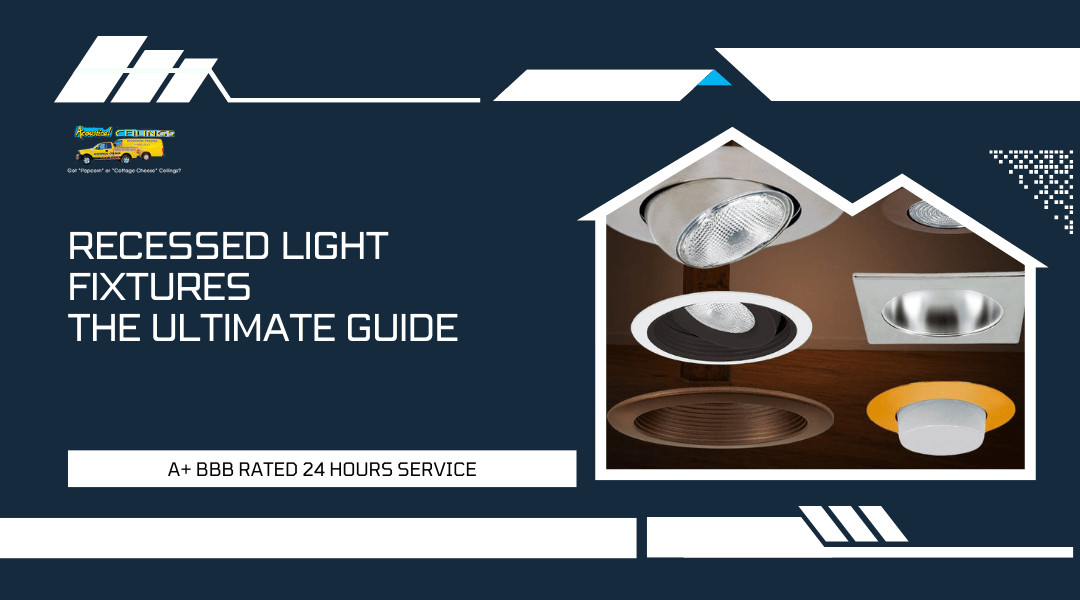
Recessed lighting refers to light fixtures that are set into the ceiling. They are often known as can lights or downlights because of their cylindrical shape. Key components include the housing, trim, and bulb.
- Housing: The part that holds the light and is installed in the ceiling.
- Trim: The visible part that surrounds the housing. It can come in various styles, such as baffle or reflector.
- Bulb: This determines the brightness and color of your recessed lights. Options include LED, halogen, and incandescent.
These fixtures can be insulated or uninsulated depending on whether they come into contact with insulation.
Benefits of Recessed Lighting in Modern Homes
Recessed lighting offers several advantages for your home.
- Space Saving: They do not take up ceiling space like traditional light fixtures, making your rooms feel larger.
- Versatility: Can lights can be directed to highlight specific areas or artworks, enhancing the overall ambiance.
- Energy Efficiency: Many recessed fixtures now use LED bulbs, which consume less energy and last longer than traditional bulbs.
- Aesthetic Appeal: Their clean lines and hidden designs create a sophisticated look, suitable for any room.
This versatility makes recessed lighting a popular choice in contemporary home design.
Where They Work Best: Kitchens, Living Rooms, Hallways
Recessed lighting is ideal for various spaces in your home.
- Kitchens: Use recessed lights above work areas and islands for bright, functional lighting.
- Living Rooms: In living areas, they can be used to create a cozy atmosphere, especially when combined with dimmers.
- Hallways: Installing recessed fixtures in hallways adds clarity without cluttering the space with hanging lights.
By strategically placing recessed lighting, you can create an inviting environment throughout your home.
Factors to Consider Before Choosing Fixtures
Choosing the right recessed lighting fixtures involves several important aspects. You need to consider the type of ceiling you have, the function of the room, and the various fixture options available. This section will guide you through these factors to help you make an informed decision.
Ceiling Type: Drywall vs Acoustical Ceilings
The type of ceiling in your home greatly affects fixture choice. If you have a drywall ceiling, you can easily install most recessed lighting options. These fixtures typically sit flush with the surface and provide a clean look.
For acoustical ceilings, the considerations change. You will want fixtures that are compatible with grid systems. Ensure the lights can be secured properly to avoid sagging or instability. Consider options designed specifically for these ceilings to maintain the acoustic benefits of the space.
Room Function and Lighting Needs
Different rooms have varying lighting requirements. For example, a kitchen or home office needs brighter, focused lighting for tasks. A living room might require softer, ambient lighting.
Think about how you use each space. Will you need adjustable lighting? Can dimmable options add flexibility? Consider the function of the room to determine the required strength of the light measured in lumens. This ensures your lighting meets your needs effectively.
Size and Depth of Fixtures
The size and depth of your recessed lights play a crucial role in performance. Larger fixtures typically emit more light, making them suitable for spacious areas like open living rooms. Smaller fixtures can be used for accent lighting or in smaller spaces.
Depth is also important. Shallow fixtures are ideal for lower ceiling heights, while deeper fixtures may provide better insulation and light output. Assess your ceiling height and space requirements when choosing the size and depth of your fixtures.
Housing Type: IC vs Non-IC Rated
Understanding the difference between IC (Insulation Contact) and Non-IC rated fixtures is essential. IC-rated fixtures can contact insulation, making them suitable for insulated ceilings without a fire hazard. This is crucial for maintaining energy efficiency.
On the other hand, Non-IC rated fixtures must be installed away from insulation. This can limit placement options and may require additional modifications. Choose IC-rated fixtures for new construction or areas with insulation to ensure safety and efficiency.
Trim Style and Finish Options
Trim style significantly affects both the look and functionality of recessed lighting. Options include baffle trim, which softens the light and minimizes glare, and reflector trim, designed to enhance brightness.
You also need to consider the finish. Fixtures come in various styles, from white and polished chrome to brushed nickel. The finish should complement your home’s decor while providing the desired lighting effect. Assess which trim style and finish aligns best with your interior design for a cohesive look.
Choosing Energy-Efficient Options
When selecting recessed lighting, energy efficiency plays a vital role in reducing your electricity bills and minimizing environmental impact. Choosing the right type of fixture can enhance brightness while using less energy. Here are essential factors to consider for energy-efficient recessed lighting.
LED Recessed Fixtures: Benefits and Lifespan
LED recessed fixtures are a top choice for energy efficiency. They use about 75% less energy than traditional incandescent bulbs. This results in significant cost savings over time.
LED lights have a long lifespan, often lasting up to 25,000 hours. This longevity means fewer replacements and less waste. In addition, LED bulbs provide consistent brightness without flickering, contributing to better illumination in your space.
Understanding Lumen Output and Wattage
Lumen output measures how much light a bulb emits. When choosing recessed lighting, focus on achieving the brightness you need for each room. Generally, you’ll want 100-200 lumens per square foot, depending on usage.
Wattage indicates how much energy a bulb uses. LED bulbs offer higher lumen output with lower wattage, making them more energy-efficient than incandescent bulbs. For instance, a 10-watt LED can produce about 800 lumens, which is similar to a 60-watt incandescent bulb.
Selecting the Right Color Temperature
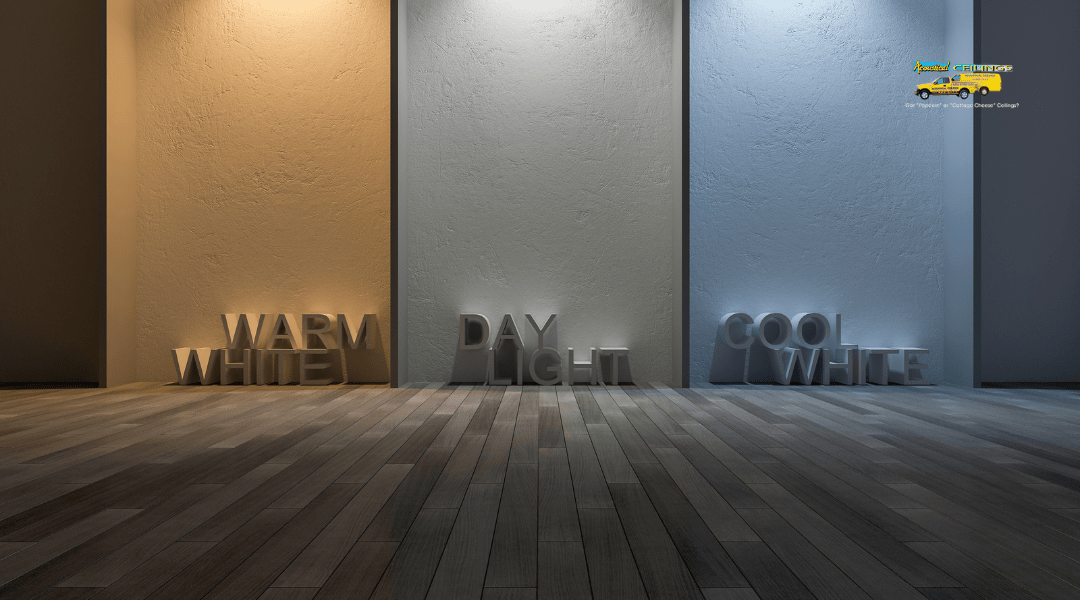
Color temperature affects the feel of your space. It is measured in Kelvin (K). A warmer color temperature (2700K-3000K) gives a cozy, inviting glow, perfect for living rooms and bedrooms.
In contrast, cooler white light (around 4000K-5000K) enhances focus and clarity, making it ideal for workspaces or kitchens. Along with brightness, consider the Color Rendering Index (CRI), which measures how accurately colors appear under the light. A CRI above 90 is preferred for areas where color precision is important.
By considering these factors, you can choose recessed lighting that combines energy efficiency with effective illumination for your home.
Recessed Lighting for Acoustical Ceilings
When installing recessed lighting in rooms with acoustical ceilings, it’s important to consider fixture compatibility, installation challenges, and the support needed for proper mounting. Let’s explore these key points to help you make informed choices.
Fixture Compatibility with Drop Ceilings
Not all recessed light fixtures are suitable for drop ceilings. You need to select fixtures designed specifically for this type of ceiling. Look for models labeled as “T-bar” or “grid” lights.
Key Features to Consider:
- Size: Choose fixtures that fit the standard grid size of your ceiling.
- Trim Style: Select a trim that allows for seamless integration without dropping too low.
- Emergency Lighting Options: Depending on your needs, consider fixtures that incorporate emergency lighting features.
Ensure that fixtures meet local building codes and are ENERGY STAR rated for energy efficiency.
Installation Challenges and Solutions
Installing recessed lighting in acoustical ceilings can come with challenges. The primary issue is ensuring proper alignment with the grid system.
Solutions to Common Challenges:
- Ceiling Height: Verify that you have enough height to host the fixture without compromising room design.
- Grid Integrity: Install fixtures without disturbing the ceiling grid. Using mounting clips can help secure fixtures effectively.
- Electrical Wiring: Ensure that wiring is run through the ceiling grid safely. Use insulated wiring to avoid damage.
Always turn off power before starting the installation process for safety.
Reinforcing Panels and Grid Support
Reinforcing the ceiling panels is essential when installing heavier recessed fixtures. This prevents sagging or instability.
Recommendations for Reinforcement:
- Cross T-Grid Support: Add cross supports to provide extra stability. This can help distribute weight evenly.
- Mounting Blocks: Use wood or plastic mounting blocks to secure fixtures. This method avoids putting excess stress on the panels.
- Check Load Limits: Always refer to the load specifications for both the ceiling grid and the lighting fixtures.
These measures help ensure that your lighting installation is not only functional but safe as well.
Top Styles and Trends in Recessed Lighting
When choosing recessed lighting, understanding styles and trends is essential. You need to consider the different trim options and the overall look you want for your space. There are practical choices available to suit various tastes and needs.
Adjustable Gimbals vs Fixed Trims
Adjustable gimbals are popular for their versatility. These fixtures allow you to direct light where it is needed most. They work well in spaces with art or architectural features, as you can highlight specific areas. Gimbal trims can be particularly effective in living rooms or hallways.
On the other hand, fixed trims are more traditional. They provide general illumination and are ideal for spaces where adjustable lighting isn’t necessary. You can choose between various styles, such as round or square, to match your décor. Popular options include wall wash trims, which create an even wash of light on walls.
Modern Minimalist vs Classic Looks
Modern minimalist designs focus on clean lines and simplicity. These fixtures often feature sleek finishes, like matte black or white, which blend seamlessly into the ceiling. They complement contemporary interiors nicely and create a stylish, understated look.
Classic looks, in contrast, tend to be more ornate. You might find decorative trims or finishes that add character to your space. This style fits well in traditional homes or settings where architectural details matter. Consider using shower trims in bathrooms or eyeball trims for greater directional light.
Smart Recessed Lighting Features
Smart recessed lighting is gaining popularity due to its convenience. These lights can be controlled via your smartphone or voice-activated devices. You have options for adjusting brightness and color temperatures to suit different moods and activities.
Many smart fixtures also include scheduling features. You can set your lights to turn on or off at specific times. This not only enhances security but also helps with energy savings. Look for options that integrate with smart home systems for added functionality. Features like these allow you to customize your lighting experience fully.
Installation Options: DIY or Professional?
Deciding whether to install recessed lighting yourself or hire a professional can affect both the outcome and the process. Knowing what you need, recognizing common pitfalls, and understanding when to call a drywall contractor will help you make the best choice for your home.
What You Need to Install Recessed Lights
Before you start, gather the necessary materials. Here’s a quick list to consider:
- Recessed Light Fixtures: Choose the right size and style for your space.
- Electrical Wiring: Use appropriate gauge wire for safety.
- Tools: You will need a drill, wire stripper, level, and insulation support.
Ensure your existing fixtures are removed safely. You’ll also want to check that your electrical panel can support the additional load.
If you’re remodeling, it’s crucial to plan the layout and spacing of your recessed lights. Typically, the lights should be spaced about 4 to 6 feet apart to avoid shadows.
Common DIY Mistakes to Avoid
If you decide to go the DIY route, be cautious of common mistakes that can occur.
- Not Following Code: Ensure your installation complies with local building codes. This helps avoid electrical hazards.
- Incorrect Spacing: Many people underestimate or overestimate the distance between lights. Aiming for even illumination is key.
- Ignoring Ceiling Joists: Failing to check for joists can lead to poor placement or damage.
Always double-check your work. Not paying attention to safety and practicality could lead to costly corrections later.
When to Hire a Drywall Contractor in Rancho Cucamonga
While some homeowners are comfortable with DIY projects, there are times when hiring a professional makes more sense.
If your project involves significant remodeling or changes to existing fixtures, consider a drywall contractor. This is especially true if you are dealing with complex electrical needs or have a large number of lights to install.
A contractor can also provide valuable insights about your home’s layout, ensuring the best aesthetic and functionality. Their expertise can prevent common DIY errors, saving you time and potential expenses.
For a professional finish and peace of mind, investing in a contractor might be the best option.
Expert Tips for a Seamless Lighting Design
Creating a seamless lighting design involves careful planning and an understanding of how different lighting types work together. You will consider the layout, implement controls, and highlight key features to enhance your space effectively.
Planning Layout and Light Spacing
Start by planning your layout to ensure even illumination throughout each room. Consider the purpose of each area; for example, use ambient light for general areas and task lighting for workspaces.
Spacing is crucial. Install recessed lights about 6 to 8 feet apart for uniform lighting. Adjust spacing depending on the ceiling height and the type of bulbs you select.
For example, higher ceilings may require closer spacing to achieve adequate illumination. Remember to avoid creating dark spots or overly bright areas.
Using Dimmers and Zone Controls
Incorporating dimmers allows you to adjust lighting based on activities. You can create different moods or intensities, ideal for transitioning between tasks or relaxing.
Zone controls let you manage different areas separately. For instance, you might want brighter lighting in your kitchen while keeping your living room cozy and soft.
This feature enhances versatility and energy efficiency. When planning, consider how you will use each zone throughout the day and choose dimmers that suit your needs.
Highlighting Key Areas and Room Features
Accent lighting plays a vital role in emphasizing specific features such as artwork, architecture, or unique decor. Use focused fixtures to draw attention to these elements.
Consider installing adjustable fixtures that can be directed toward focal points. This approach not only enhances aesthetics but also creates an engaging atmosphere.
Layer your lighting by combining ambient, task, and accent types to create depth and interest. A well-lit space should have various layers that support functionality and style, making it feel warm and inviting.
By applying these tips, you can ensure that your recessed lighting design is not only functional but also enhances the beauty and harmony of your home.
Real-Life Examples and Room Transformations
Recessed lighting can significantly change a room’s look and feel. By examining specific transformations, you can see how this lighting style enhances both functionality and aesthetics in various spaces.
Before and After Recessed Lighting Projects
Many homeowners start with standard ceiling lights that may not provide adequate illumination. Once recessed lights are installed, the difference is striking.
Before: A living room with a single chandelier often feels dark and uninviting. Shadows can hide corners, making the space seem smaller.
After: Adding recessed lights brightens the entire room, providing consistent lighting. You can choose different bulb temperatures to create a warm or cool atmosphere, enhancing the room’s overall vibe. This change not only brightens the space but also makes it feel larger and more welcoming.
Rancho Cucamonga Homes That Nailed It
In Rancho Cucamonga, several homes showcase the benefits of recessed lighting.
Example 1: Modern Kitchen
A local homeowner replaced their old fixtures with recessed lights. The kitchen now looks updated and more spacious. This improvement also enhances functionality, making meal prep easier.
Example 2: Home Office
Another homeowner transformed a dark corner into a bright workspace. Strategically placed recessed lights provide ample light for reading and working. This reduction in shadows improves productivity and comfort.
Acoustical Ceiling Integration Success Stories
Integrating recessed lighting with acoustical ceilings is a trend that’s gaining popularity. You can enjoy both sound dampening and stylish lighting.
Example 1: Theater Room
In a dedicated home theater, recessed lighting was installed alongside acoustical panels. The result is a visually appealing space that reduces noise and enhances your viewing experience.
Example 2: Open Concept Living Area
An open-concept design can benefit significantly from this combination. Recessed lights in the ceiling can illuminate different zones while maintaining the acoustical quality of the area. You get both an attractive design and improved sound control, making the space enjoyable for gatherings or quiet evenings.
By exploring these examples, you can see how recessed lighting can enhance your own home.
Key Lighting Statistics Every Homeowner Should Know
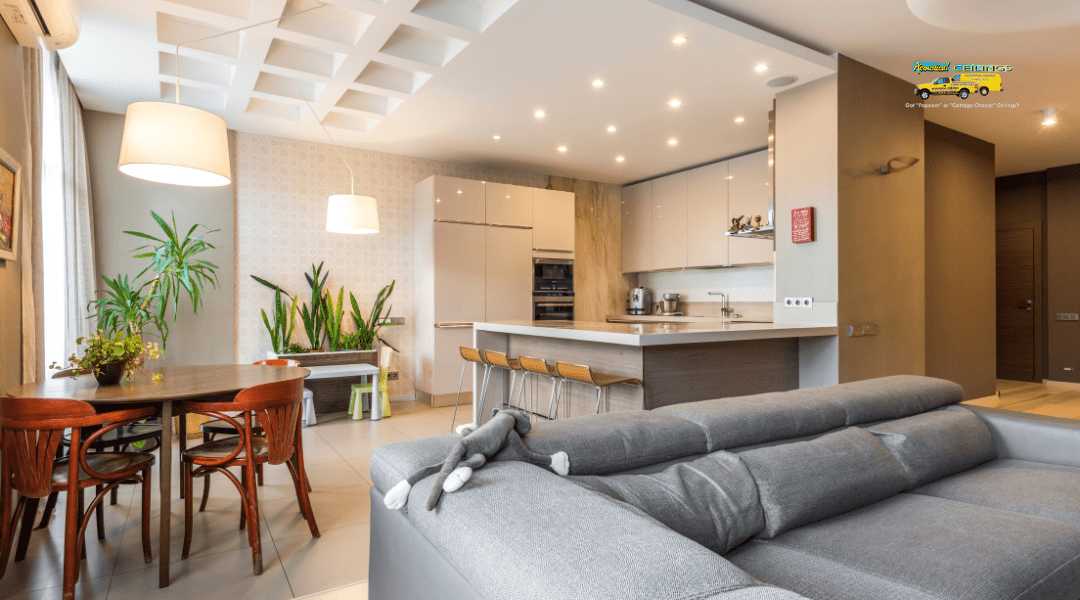
Understanding key lighting statistics can help you make informed decisions about your home’s lighting. This knowledge is essential for energy savings and to stay updated with trends in your area.
LED Energy Savings by the Numbers
LED lights are known for their energy efficiency. They use about 75% less energy than traditional incandescent bulbs. This significant reduction lowers your electricity bills.
For example, switching to LED can save you around $200 over the lifespan of a single bulb.
Here’s a quick comparison:
| Type | Energy Use (Watts) | Lifespan (Hours) | Cost per Bulb |
| Incandescent | 60-100 | 1,000 | $1 – $2 |
| CFL | 13-15 | 10,000 | $3 – $5 |
| LED | 8-12 | 15,000 – 25,000 | $5 – $12 |
You’ll see that investing in LED lights not only saves energy but also reduces the frequency of replacements.
Trends in Home Lighting Installations (California Focus)
In California, smart lighting systems are gaining popularity. Many homeowners are now choosing recessed lighting for its sleek look and versatility.
Recent data shows that about 40% of new homes built in California feature recessed fixtures. These fixtures blend well with modern designs and enhance energy efficiency.
Another trend is the use of dimmable LED lights. Homeowners appreciate the ability to adjust brightness, allowing for mood changes and energy savings.
Furthermore, California’s energy regulations encourage the use of energy-efficient lighting. Programs are available to help offset initial costs for upgrading to modern systems.
These trends reflect a shift toward more functional and sustainable lighting choices for your home.
Final Thoughts
When choosing the right recessed lighting fixtures for your home, consider several key factors. This ensures you make the best decision for your space.
1. Purpose: Identify what you want the lights for. Are they for general illumination, accents, or task lighting?
2. Size and Placement: Choose the size of the fixtures based on your room’s dimensions. Proper placement enhances the overall effect.
3. Bulb Type: Select bulbs that fit your needs. Options include LED, incandescent, and halogen, each with their pros and cons.
4. Trim Styles: The trim style affects the light output and design. Options include baffle, reflector, and adjustable trims. Pick one that matches your decor.
5. Dimming Options: If you want flexibility in lighting, consider fixtures that allow for dimming. This adds versatility to your lighting setup.
6. Energy Efficiency: Choose fixtures that are energy efficient. LED options save on electricity and reduce your bills.
By taking these factors into account, you can create a lighting plan that enhances your home’s aesthetics and functionality. Investing time in this process can lead to satisfying results. Make sure your choices align with your lifestyle and design preferences for the best outcome.