Ceiling cracks worry many Inland Empire homeowners, but not every crack means you have a serious problem. Some cracks are just minor surface issues from normal settling or temperature changes. Others can point to real structural damage that needs quick attention.
The main difference comes down to the crack’s width, direction, and whether you see other warning signs like sagging or water stains. Hairline cracks under 1/16 inch that run along drywall seams are usually just cosmetic. Wider cracks over 1/4 inch, especially ones that go across the whole ceiling or down your walls, often mean something more serious is happening with your home’s structure.
Your Inland Empire home faces unique conditions that affect how and why ceiling cracks develop. The region’s temperature swings, low humidity, and soil characteristics all play a role in creating stress on your ceilings and walls. This article will help you identify what type of crack you’re dealing with, understand what causes them in our specific climate, and know when to call a professional for help.
Crack Types And Their Immediate Indicators
Different types of ceiling cracks show specific patterns that help determine whether you’re dealing with a minor repair or a serious structural problem. The width, shape, and location of these cracks provide clear clues about what’s happening inside your home’s structure.
Hairline Vs. Wide, Horizontal, Or Stair-Step Patterns
Hairline cracks measure less than 1/16 inch wide and appear as thin lines across your ceiling. These minor ceiling cracks typically result from normal temperature changes and humidity shifts that cause drywall or plaster to expand and contract. You can usually repair these yourself with joint compound and paint.
Spiderweb cracks create a pattern of small radiating cracks from a central point. These often appear in older homes with plaster ceilings and indicate surface-level aging rather than structural damage.
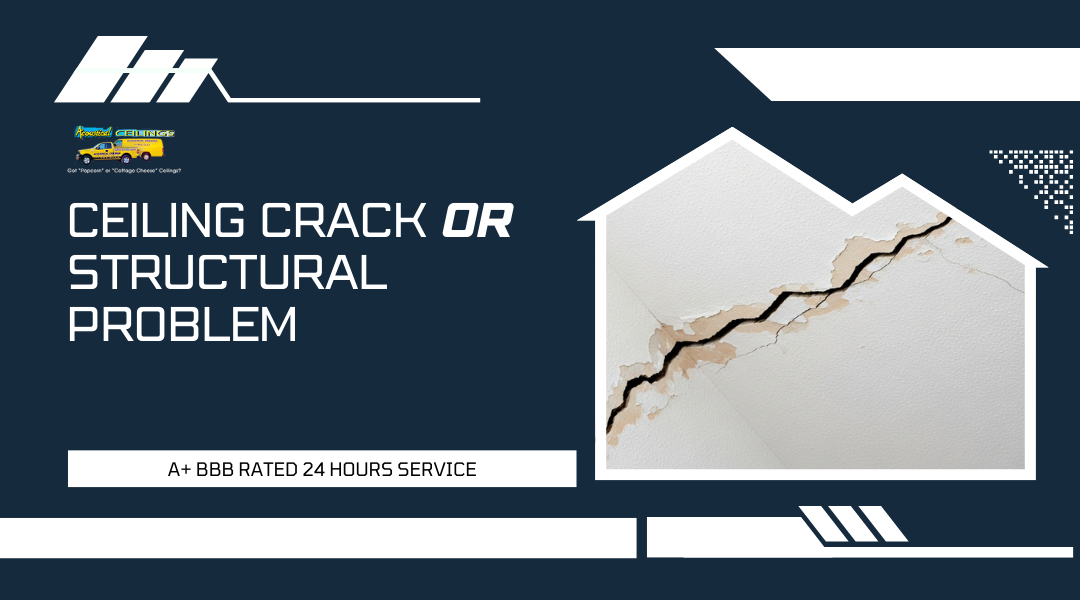
Wide cracks over 1/4 inch signal more serious concerns. Horizontal cracks that run along where your ceiling meets the wall may indicate truss uplift, which happens when roof trusses shift due to temperature differences. Stair-step cracks that zigzag across your ceiling in a diagonal pattern point to foundation settlement or structural movement. These dangerous ceiling cracks need professional evaluation because they show significant stress on your home’s frame.
Accompanying Signs Like Sagging Or Wall-Ceiling Continuity
A ceiling crack becomes more concerning when paired with other visible problems. Sagging ceiling areas that bow downward indicate water damage, structural overload, or failing support beams. Even small drywall cracks combined with sagging require immediate professional inspection.
Watch for cracks that start on your ceiling and continue down the wall. This wall-ceiling continuity shows that movement affects multiple structural elements, not just surface materials. These serious ceiling cracks often run at 45-degree angles and suggest foundation issues or major settling.
Look for water stains, discoloration, or soft spots near any ceiling crack. These signs mean moisture has compromised the structural integrity of the materials, making even smaller cracks potentially dangerous.
Inland Empire-Specific Environmental Influences
The Inland Empire’s unique climate and geological conditions create distinct challenges for home structures. Seismic activity and extreme desert temperature swings place unusual stress on buildings that often show up as ceiling cracks.
Soil Movement And Seismic Activity Effects On Ceilings
The Inland Empire sits in an active seismic zone where ground movement affects building foundations regularly. Even minor tremors cause foundation settlement that travels upward through your home’s structure. This foundation movement creates stress on load-bearing walls and ceiling joists.
Your home’s foundation responds to seismic activity differently based on soil type. Clay-heavy soils expand and contract more than sandy soils, which amplifies foundation issues. When your foundation shifts, it changes how weight distributes across support beams.
These shifts don’t always cause immediate damage. Foundation problems often develop slowly over months or years. Small ceiling cracks near walls usually indicate natural settling, while cracks that run across ceiling centers suggest more serious foundation movement.
Moisture From Desert Climate Exacerbating Crack Progression
The desert climate brings extreme temperature changes between day and night. Your ceiling materials expand during hot days and contract during cool nights. This constant cycle weakens drywall and joint compounds over time.
Winter humidity changes add another layer of stress. A leaky roof combined with these temperature swings accelerates moisture damage. Water seeps into ceiling materials, making them expand beyond normal ranges.
Summer monsoons create sudden humidity spikes that your home wasn’t built to handle. These moisture events soften drywall and compromise ceiling integrity. The rapid drying that follows causes materials to crack as they shrink back down.
Evaluation Framework From Drywall Repair Expertise
Professional drywall repair specialists use specific testing methods to distinguish between surface-level damage and structural concerns that might require foundation interventions like helical piers or underpinning.
Testing Methods For Active Versus Static Cracks
You can determine whether a crack is actively growing by applying the tape test. Place a piece of painter’s tape across the crack and mark the edges with a pencil. Check the tape weekly for two to three months. If the tape tears or the marks shift, you’re dealing with active structural movement.
Static cracks remain stable over time. These typically result from one-time events like initial house settling or old drywall issues. You can repair ceiling cracks of this type with patching compound applied with a putty knife.
Active cracks require investigation before repair. If your crack continues to widen, check for accompanying signs like new gaps between walls and ceiling or doors that suddenly stick. These symptoms often point to foundation problems rather than simple drywall damage.
Perspectives From Acoustical Ceilings’ Crack Assessment In Local Properties
Inland Empire contractors report that temperature swings in the region cause more ceiling movement than in coastal areas. The extreme heat in summer months expands materials differently than winter conditions. This creates seasonal cracks that may appear harmless but can indicate inadequate construction methods.
Local drywall specialists note that homes built before 1980 often show different crack patterns than newer construction. Older patching compound formulations were less flexible. Modern repair materials accommodate minor movement better.
Foundation experts in the area frequently find that ceiling cracks accompany soil settlement issues. The expansive clay soils common in parts of the Inland Empire shift with moisture changes. If your ceiling cracks coincide with foundation movement, repairs must address the underlying structural problem before you repair ceiling cracks cosmetically.
Consequences And Decision Tradeoffs
Choosing whether to address ceiling cracks immediately or wait carries different risks and costs depending on the type of damage present. Understanding these tradeoffs helps you make informed decisions about protecting your home and budget.
Risks Of Ignoring Progressive Versus Stable Damage
Stable cracks remain the same size over months or years and pose minimal risk to your home. These hairline cracks typically result from normal settling and rarely worsen into structural damage. You can safely monitor them and repair them when convenient during other renovation projects.
Progressive cracks grow wider or longer over time and signal active structural problems. Ignoring these expanding cracks leads to foundation repair costs that increase significantly as damage spreads. You might notice uneven floors or bowed walls developing alongside the cracks.
Water infiltration through growing cracks causes additional problems. Moisture weakens ceiling materials and promotes mold growth behind walls. What starts as a small crack can become major water damage requiring extensive waterproofing and structural repair.
Cost Implications Of Early Intervention Over Delayed Rebuilds
Early intervention when you first notice signs of structural damage typically costs thousands of dollars less than waiting. A foundation repair company can stabilize minor foundation settlement before it affects multiple rooms and systems in your home.
Delayed repairs allow damage to compound throughout your structure. A crack that starts in one ceiling area can indicate foundation problems that eventually affect walls, floors, and door frames. Simple ceiling repairs might cost a few hundred dollars initially, but waiting until you need comprehensive structural repair can reach $15,000 to $50,000 or more.
Emergency repairs after ceiling collapse or severe structural failure cost significantly more than planned interventions. You also face temporary housing expenses and potential safety hazards to your family when structural damage becomes severe.