Transforming your space starts from above, with decorative ceilings that add a unique touch to any room. By choosing the right ceiling design, you can enhance both the style and functionality of your environment, creating a lasting impression on anyone who enters. Whether you are looking to modernize an outdated popcorn ceiling or install intricate designs, the options can elevate your home’s aesthetic significantly.
As a homeowner or business owner in Rancho Cucamonga, you are faced with many choices to revamp your interiors. Decorative ceilings not only improve visual appeal but also effect on acoustics and lighting. This guide will take you through various styles, materials, and installation techniques that can cater to your specific needs while ensuring that your space looks its best.
Dive into the world of decorative ceilings and discover how Acoustical Ceilings can assist you in every step. From customized designs to professional installation, you will find the expertise and dedication needed to achieve your vision and transform your interiors.
Types of Decorative Ceilings: Exploring Your Options
Decorative ceilings can dramatically change the look and feel of your space. They add character and style, elevating the overall design of your home. From elegance to rustic charm, various ceiling types can enhance your interior while providing visual interest.
Coffered Ceilings: A Touch of Elegance
Coffered ceilings are an architectural feature that can infuse your room with elegance. They consist of grids of beams that create recessed panels, often in square or rectangular shapes. This design is perfect for high ceilings, giving a sense of depth and dimension.
You can choose from various materials like wood or plaster, and the color can be tailored to fit your decor. Using lighter shades can brighten the space, while darker hues offer a more intimate feel. Coffered ceilings work well in living rooms, dining areas, or offices, making them a versatile option.
Tray Ceilings: Adding Depth and Visual Interest
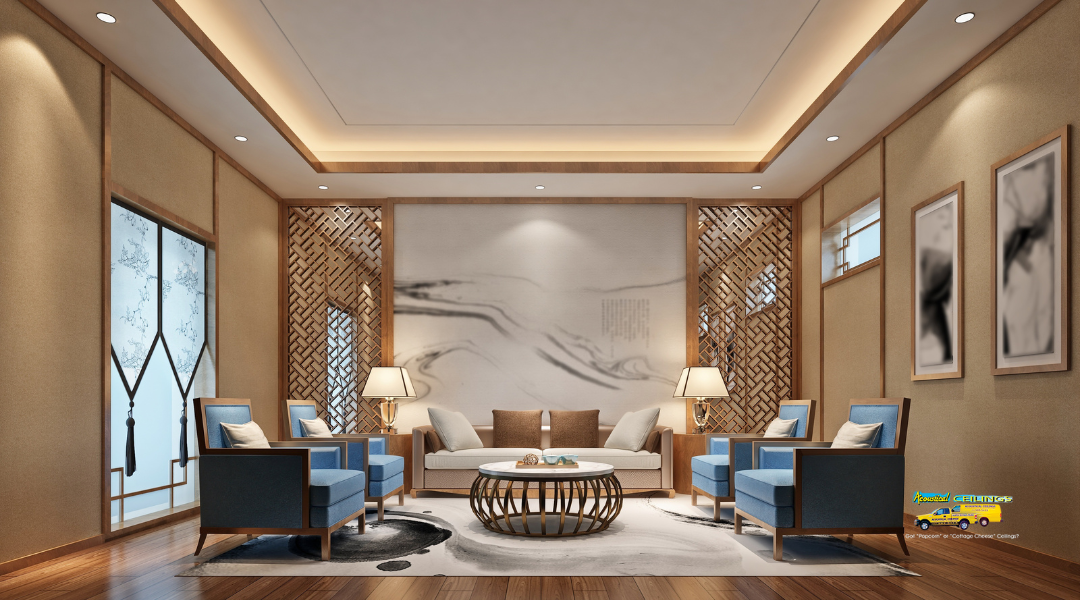
Tray ceilings are another excellent option for those seeking to enhance their interior. This design features a central panel that is set higher than the surrounding ceiling. The result is a layered look that adds depth, making rooms appear larger and more sophisticated.
You can add crown molding around the edges for a polished finish. Consider using bold paint colors to emphasize the tray or integrating lighting to highlight its contours. Tray ceilings are particularly effective in bedrooms and dining areas, creating a welcoming and stylish ambiance.
Crown Molding Ceilings: Classic and Timeless
Crown molding ceilings add a classic touch to your home. This decorative trim runs along the intersection of the wall and ceiling, creating a smooth transition between the two. Crown molding can enhance any ceiling type, from flat to vaulted, giving it a polished appearance.
You can choose from various materials, including wood or polyurethane, depending on your budget. Opt for intricate designs for a formal setting or simpler styles for a more contemporary look. This feature is perfect for enhancing the aesthetic of living rooms, hallways, and entryways.
Beamed Ceilings: Rustic Charm for Modern Spaces
Beamed ceilings can bring a touch of rustic charm into modern spaces. Exposed beams create a cozy atmosphere and are especially effective in rooms with high or vaulted ceilings. These beams can be made of wood, giving the room a warm and inviting feel.
You can leave the beams natural for an authentic look or paint them for a more contemporary touch. Beamed ceilings work well in kitchens, living rooms, and attics, adding character and sophistication. Combining beams with skylights can also increase natural light, making your space feel brighter.
Painted Ceilings: A Bold Way to Transform Your Room
For those looking to make a statement, painted ceilings are a fantastic option. This technique allows you to add color and creativity to your space. You can opt for a single bold color or even a design, like stripes or stencils, to create visual interest.
Consider using lighter shades to make the room feel airy or rich colors for warmth. Painted ceilings are especially effective in rooms with high ceilings and architectural features. This allows your creativity to shine and can significantly alter the perception of your space.
Benefits of Installing Decorative Ceilings in Your Home
Installing decorative ceilings can greatly enhance your living space. You have the opportunity to create a unique ambiance that reflects your personal style while increasing the value of your home. This section highlights the key advantages of decorative ceilings.
Enhance Aesthetic Appeal and Style
With decorative ceilings, you can create a stunning visual impact in any room. Using materials like decorative tiles or beams, you can add intricate designs that catch the eye. Different ceiling styles, from coffered to tray ceilings, can introduce an air of luxury and grandeur to your interior spaces.
You can also choose colors and textures that complement your decor. This cohesive design can make your rooms feel more inviting and cozy. The visual enhancement can be particularly effective in spaces with large windows, as they help to draw attention upward, making the area feel more expansive.
Boost Property Value with Luxurious Designs
Luxury designs in your ceilings not only elevate your living experience but also boost your home’s market value. Attractive ceilings signal quality and craftsmanship, appealing to prospective buyers.
When potential buyers step into a room with a beautifully designed ceiling, they immediately perceive a well-maintained home. This perception can lead to higher offers. Investing in decorative ceilings is an effective way to maximize your home value without extensive renovations.
Conceal Imperfections and Boost Room Proportions
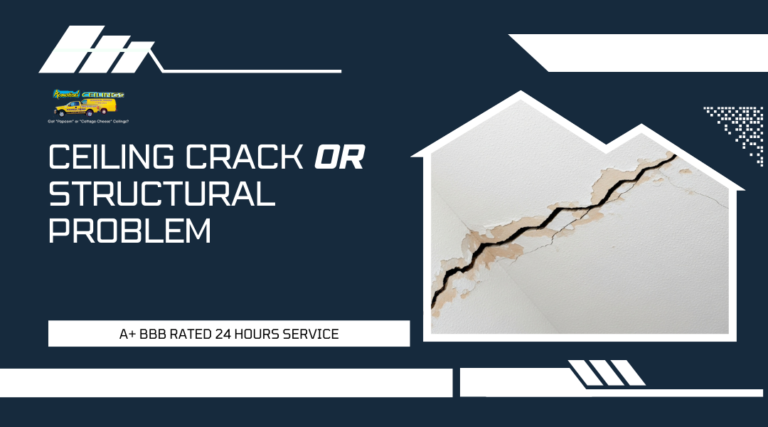
Decorative ceilings can cleverly disguise imperfections in existing structures, such as cracks or uneven surfaces. By incorporating coffered or dropped ceilings, you can hide these flaws while adding depth to your space.
Moreover, specific ceiling designs can create a feeling of spaciousness. If you have low ceilings, using lighter colors can make the room feel more open. Conversely, a design with raised elements can draw the eye up, creating the illusion of height. This way, your ceilings can enhance the overall proportions of your rooms, making them feel larger and more inviting.
How to Choose the Right Decorative Ceiling for Your Space
Choosing the right decorative ceiling is crucial for enhancing your room’s look and feel. You should think about the room’s purpose, how the ceiling design fits with your current decor, and your budget for the project. Let’s explore these considerations in detail.
Consider the Room’s Function and Size
Start by assessing the room’s purpose. A ceiling in a living room, for example, may need a cozy or elegant design. You might choose coffered or beamed ceilings to create depth and warmth.
Next, think about the size of the room. Larger spaces can handle bold designs like vaulted ceilings or dramatic patterns, while smaller rooms often benefit from simpler styles like flat ceilings. Lighter colors can also help make a small room feel bigger.
Match Your Ceiling Design with Room Decor
Your ceiling should complement the rest of your room’s design. Consider the existing colors, furniture, and overall theme. If your decor leans toward modern styles, a sleek flat ceiling could work well.
On the other hand, traditional spaces might thrive with intricate designs or wooden beams. Using wallpaper or painted designs can also add style without overwhelming your decor. Make sure the ceiling design harmonizes with other elements to create a cohesive look.
Budgeting for Your Decorative Ceiling Project
Budgeting is an essential step in your decorative ceiling project. Determine how much you can spend before you start exploring your options.
Materials can vary widely in cost. For instance, traditional drywall is often less expensive than custom wood or intricate molding. It’s also important to consider installation costs. Hiring a contractor can add to your budget but ensures quality workmanship. Always obtain multiple quotes to find the best value for your project.
By making informed choices, you can transform your space effectively within your budget.

DIY vs. Professional Installation: What You Need to Know
Choosing between DIY installation and hiring a professional for your decorative ceiling project can greatly impact your results. Each option has its advantages and drawbacks that are worth considering.
Pros and Cons of DIY Decorative Ceiling Installation
If you decide to go the DIY route, there are several benefits to consider. You have full control over the entire process, including design choices and the materials you want to use. This can lead to a personalized look that perfectly fits your style.
However, there are challenges. Installations, especially for acoustical ceilings, can be complicated. Mistakes might lead to issues like improper cooling effects or aesthetic flaws. You will also need to invest time in research and planning.
Overall, DIY can be cost-effective, but weigh your skills and time against potential setbacks.
Why Hiring a Professional May Be Worth It
Hiring a professional for your decorative ceiling project can add significant value. With experienced contractors, you gain access to expertise that ensures the job is done right. They can handle complicated designs, especially for acoustical ceilings, which require a precise approach to work effectively.
Another advantage is that many professionals offer warranties for their work. This can provide peace of mind that protects you from defects or future issues. You won’t need to worry about the labor-intensive setup, allowing you to enjoy the transformation without the stress of installation.
While there is an upfront cost, the investment often pays off in terms of quality and durability.
Step-by-Step Guide to Installing a Decorative Ceiling
Installing a decorative ceiling can enhance the style and functionality of any room. This guide will help you gather the right tools, prepare your space, and install various ceiling styles effectively.
Tools and Materials You’ll Need
Before starting your project, gather the following tools and materials:
- Tools: Tape measure, level, stud finder, utility knife, caulk gun, and drill.
- Materials: Decorative ceiling tiles, adhesive, caulk, and optional framing materials for coffered or tray ceilings.
- Paint and Primer: If you’re changing the color scheme, choose a ceiling paint that complements your room. Popular options include soft whites, light greys, or warm pastels.
Having the right tools and materials ensures a smoother installation process. This preparation will save time and effort as you move forward with your project.
Preparing the Room for Installation
Preparation is key for a successful installation. Start by clearing the room of furniture and covering the floor with a drop cloth. This will protect your flooring from any dust or debris.
Next, measure your ceiling dimensions. Use the tape measure to determine the square footage. This information helps you order the correct amount of decorative tiles or materials.
Ensure the ceiling surface is clean and free of any remnants from previous projects. If the ceiling has old paint or wallpaper, you may need to scrape or sand these surfaces. A smooth base ensures better adhesion for your new decorative features.
Installing Coffered, Tray, and Other Ceiling Styles
For various ceiling styles, follow these specific steps. If installing coffered ceilings, start by marking the layout on your ceiling using a level. Then, install the wood framing to form the grid. Secure each piece at the studs for stability.
For tray ceilings, begin by placing the border trim around the perimeter of the ceiling. This creates the raised effect. Once installed, you can paint the recessed area a bold color to create contrast.
When using decorative ceiling tiles, apply adhesive to the back of each tile. Press them firmly against the ceiling, aligning them with your marked guides. Use caulk to fill in any seams for a seamless finish. Once completed, step back and admire your newly transformed space.
Expert Tips for Maintaining Your Decorative Ceiling
Maintaining your decorative ceiling not only keeps it looking fresh, but also extends its lifespan. You want to ensure proper cleaning and repair techniques to preserve the aesthetic appeal of your space.
Cleaning and Caring for Your Ceiling Design
To keep your decorative ceiling in top shape, regular cleaning is key. Start by dusting the surface with a soft cloth or feather duster. This removes light dust and debris that can accumulate over time.
For more stubborn dirt or stains, use a mixture of mild soap and water. Dip a sponge into the solution and gently wipe the affected area. Avoid soaking the ceiling, as excess moisture can damage materials.
If you have wood elements, consider using a wood-safe cleaner to protect the finish. It’s also advisable to check for moisture buildup, especially in areas prone to humidity. This can lead to mold or mildew, which could damage your ceiling.
How to Repair Small Damages and Maintain Style
Small damages like dents or scratches can be easily repaired with the right approach. For minor scratches on wood ceilings, use a wood touch-up marker that matches your ceiling color. Simply fill in the scratch and let it dry.
If you notice small holes or cracks, a lightweight spackle can do the trick. Apply it with a putty knife, then sand it smooth once it dries.
For painted ceilings, touch up the paint as needed. Be sure to match the color accurately to avoid patches.
Keeping an eye on these small damages prevents them from becoming larger issues. Regular maintenance ensures your decorative ceiling remains an attractive feature in your home.

Conclusion: Transform Your Home with a Beautiful Decorative Ceiling
A decorative ceiling can significantly enhance the look of your home. It adds character and elegance to any room.
Choose from various styles, such as crown molding, medallions, or plaster designs. Each option brings its own unique charm and can fit different budgets and tastes.
Consider the following benefits:
- Visual Appeal: A well-designed ceiling acts as a focal point.
- Increased Value: Unique ceilings can increase your home’s market appeal.
- Acoustic Improvements: Certain designs can help with sound absorption.
Before making a decision, think about your existing decor and personal style. You want the ceiling to complement your overall design.
You can also integrate color creatively. Painting or adding texture can make the ceiling feel more inviting.
If you want a standout feature, don’t overlook the importance of hiring a skilled contractor. Professionals can ensure that your vision translates perfectly into reality.
Transform your home with a beautiful decorative ceiling that reflects your style and meets your needs. It’s a smart investment for both aesthetics and comfort.