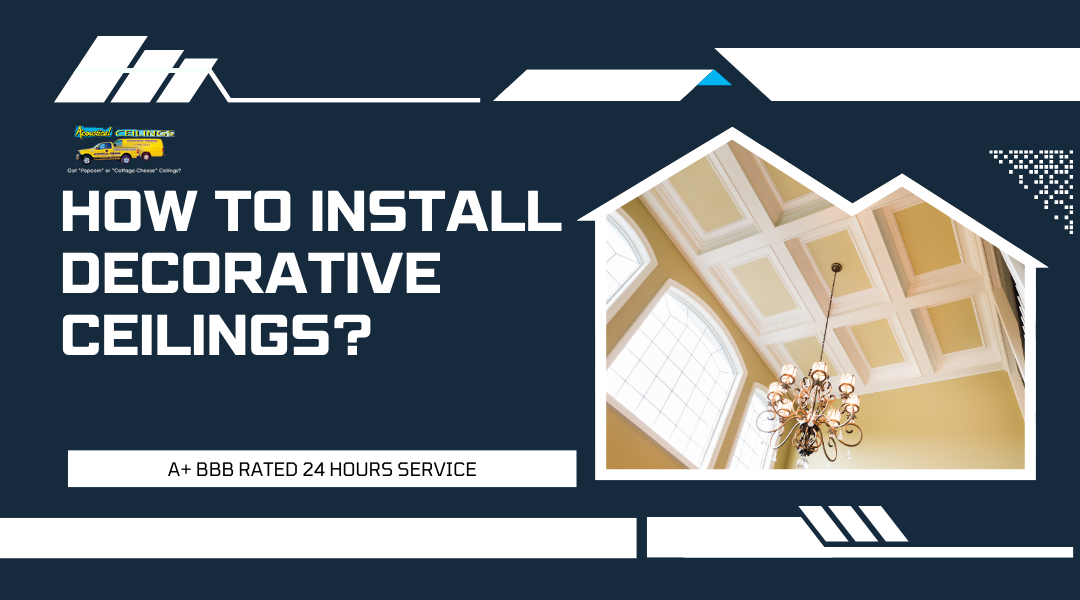
Adding a decorative ceiling can completely change the look of a room. This guide will help you understand how to install decorative ceilings step by step, making it easy for you to enhance your space. Whether you want to add elegance to a dining room or create a cozy atmosphere in a living area, installing a decorative ceiling is a manageable project you can take on yourself.
In Rancho Cucamonga, many homeowners seek to improve their interiors with creative solutions. Acoustical Ceilings offers expertise in drywall and ceiling design to help you achieve your vision. This guide will cover everything from choosing materials to installation techniques, ensuring you feel confident throughout the process.
By following the steps outlined in this guide, you can achieve stunning results that elevate your home’s style. You’ll not only enjoy your newly enhanced space but also gain a sense of accomplishment from taking on this project yourself.
Types of Decorative Ceilings You Can Install
There are several types of decorative ceilings that can enhance your space. Each type offers unique benefits and aesthetics that cater to different styles and needs.
Coffered Ceilings: Elegant and Timeless
Coffered ceilings add a sophisticated look to any room. This design features a grid of recessed squares or rectangles, giving depth and texture to the ceiling.
You can use materials like drywall or wood for construction. Often, coffered ceilings are painted to contrast with the rest of the room, creating a striking visual.
This type of ceiling can make your space feel more formal and spacious. It works well in living rooms, dining areas, and offices.
Tray Ceilings: Adding Depth and Dimension
Tray ceilings create a layered effect, adding height and interest. The design descends from the perimeter and rises in the center, giving a unique visual appeal.
You can paint the tray area in a different color to highlight the depth. This makes the room feel more inviting and cozy.
Tray ceilings are versatile and suit a variety of styles, from traditional to modern. They are ideal for bedrooms, dining rooms, or entrance halls.
Beamed Ceilings: Rustic Charm for Any Room
Beamed ceilings bring a sense of warmth and character to your space. This style uses exposed beams, which can be made from wood or even faux materials.
You can choose stained or painted beams to match your decor. Beamed ceilings create a rustic ambiance, perfect for cabins or country-style homes.
This ceiling type can also enhance a modern space by adding contrast. It’s a good fit for living rooms, kitchens, and family areas.
Painted Ceilings: A Bold and Creative Choice
Painted ceilings allow for creative expression. By adding color or patterns, you can turn a standard ceiling into a statement piece.
Choose a bold color to create a dramatic effect or a soft shade for subtlety. Metallic or textured paints can also add interest.
This option works well in any room, from nurseries to creative spaces. Consider your overall design theme when selecting your ceiling color.
Tools and Materials Needed for the Installation
When installing decorative ceilings, you need the right tools and materials. Having everything ready will make the process smoother and more efficient.
Essential Tools for Installing Decorative Ceilings
- Measuring Tape: Use this to measure the room dimensions accurately. This helps you plan how many ceiling tiles or panels you need.
- Utility Knife: A sharp utility knife is crucial for cutting ceiling tiles to fit your space.
- Level: A level ensures your tiles are straight and properly aligned. This will give your ceiling a professional look.
- Trowel: If using adhesive, a trowel will help spread it evenly on the ceiling.
- Ladder: A sturdy ladder allows you to safely reach high areas when installing tiles.
- Safety Gear: Wear goggles and a dust mask to protect yourself from debris while working.
Having these tools will help you complete the installation with ease.
Recommended Materials for Each Ceiling Type
- Acoustical Ceiling Tiles: Choose tiles made from mineral fiber or fiberglass. These materials are effective for sound absorption.
- Foam Ceiling Tiles: Lightweight and easy to handle, foam tiles come in various designs. Use adhesive designed for foam to secure them.
- Drywall: If you prefer a smooth finish, gypsum board or drywall is a solid option. You’ll need joint tape and compound to finish the seams.
- Adhesive: Select a high-quality construction adhesive that matches your chosen ceiling type. Make sure it is suitable for the materials you are working with.
By gathering these materials, you ensure that your ceiling installation is both functional and visually appealing.
Preparing Your Room for Decorative Ceiling Installation
Before starting your decorative ceiling installation, focus on creating a safe and organized workspace. Proper preparation is key to a successful project. Make sure you have everything you need at hand before beginning.
Clear the Area: Safety and Organization First
Start by removing all furniture and decorations from the room. This step protects your belongings and gives you ample space to work. If you cannot move large items, cover them with drop cloths to prevent damage.
Next, remove any existing ceiling fixtures, such as lights or fans. Make sure to turn off the power to these fixtures to avoid accidents. It’s also smart to lay down a drop cloth to catch debris and dust.
Ensure you have appropriate safety gear, like goggles and a mask. Check that your tools are within reach. Having a tidy workspace helps you avoid accidents and keeps the project moving smoothly.
Measure and Mark: Planning Your Ceiling Layout
Accurate measurements are vital for a successful installation. Start by measuring the dimensions of your room. Use a tape measure to get precise lengths and widths. Write these down for reference.
Next, locate the ceiling joists. These are the supports that will help hold your new ceiling. Use a stud finder if needed. Mark the joist locations with a chalk line. This will guide you when attaching materials later on.
Then, plan your ceiling layout. Think about how the tiles or panels will fit together. Create a layout that minimizes waste and ensures a neat appearance. This careful planning will save you time and effort during the installation.
Step-by-Step Guide to Installing a Decorative Ceiling
Installing a decorative ceiling can enhance the look of your space. This guide provides clear steps to help you create a beautiful ceiling using molding and panels.
Step 1: Install the Framework or Base
Start by measuring the room. Use a tape measure to find the width and length of your ceiling. Mark these measurements on the walls with a pencil.
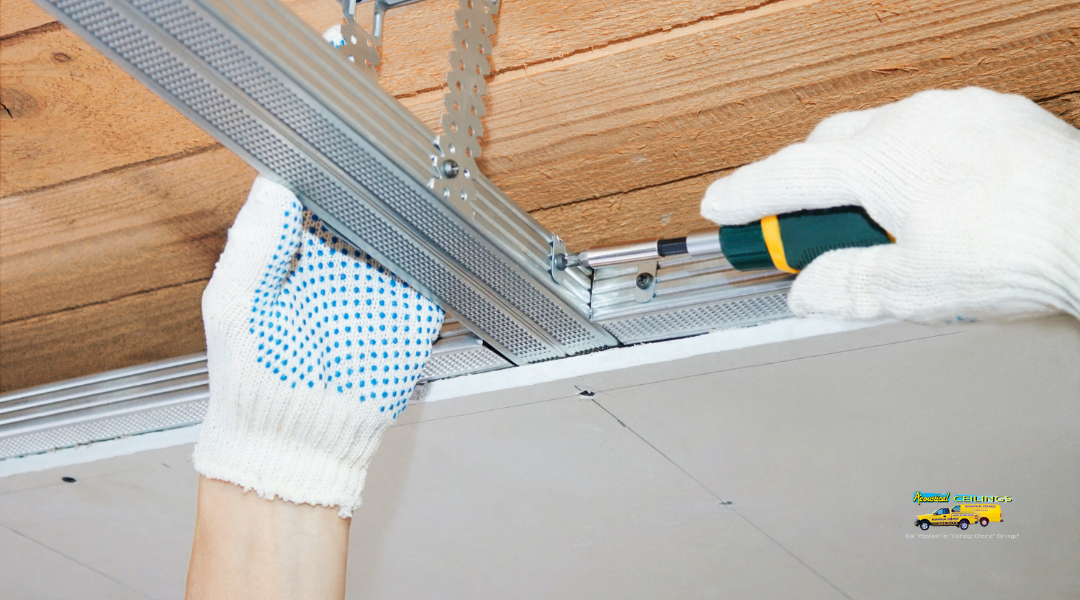
Next, use a stud finder to locate ceiling joists. These will support your framework. Once you find them, install furring strips or metal channels across the ceiling. Screw them into the joists for stability.
Ensure the framework is level. This is important for a smooth finish. Use a level tool and make adjustments as needed. If the room has an uneven ceiling, consider adding shims to make everything even.
Step 2: Attach the Ceiling Panels or Molding
After the framework is in place, it’s time to add the panels or molding. Choose materials that suit your design. Lightweight materials are easier to handle.
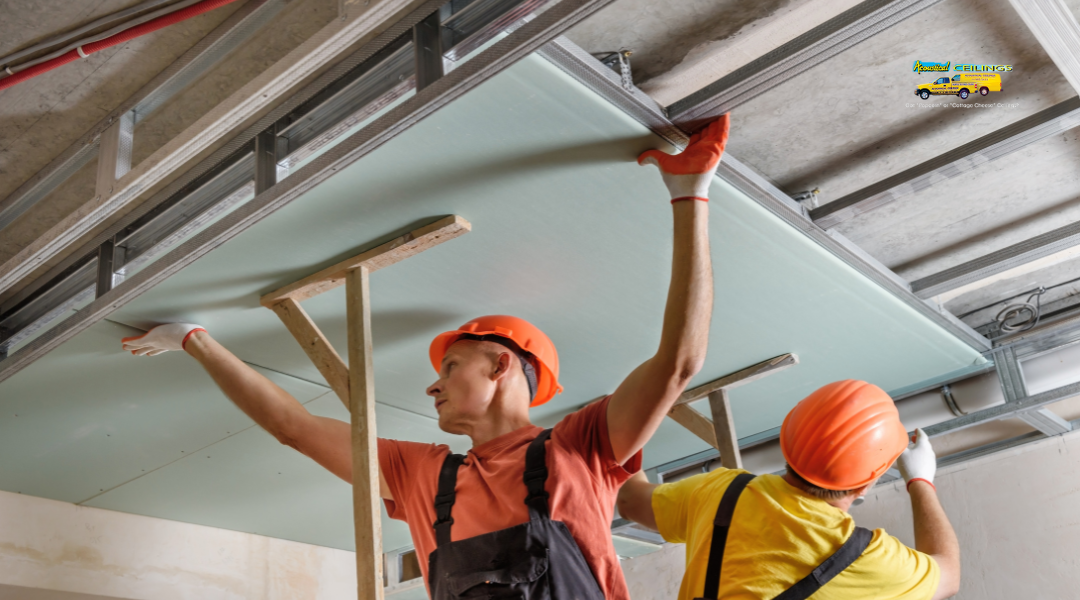
Start at one corner of the room. Lift the first panel into place and secure it with adhesive or screws. If using molding, attach it where the wall meets the ceiling.
Continue adding panels or molding in rows. Make sure to leave small gaps for expansion. Use a saw to cut panels to fit around edges and corners.
Step 3: Secure the Trim or Beams
Once the main panels or molding is up, you can add trim or decorative beams for extra flair. Choose a trim that matches your style.
Cut the trim pieces to length. Secure them in place with nails or adhesive. Make sure they line up nicely with the edges of the panels.
Check for gaps between trim and panels. Fill any spaces with caulk or wood filler. This will create a clean, finished look.
Step 4: Painting and Finishing Touches
Now it’s time to paint your ceiling. Choose a color that complements the room. You might also want to consider using a textured paint for depth.
Before painting, protect the walls and furniture. Use drop cloths and painter’s tape to cover areas you don’t want to paint.
Once the paint is dry, remove the tape. Inspect the edges and fill in any small gaps if needed. Finally, add light fixtures to highlight your new ceiling.
Expert Tips for a Professional Finish
Achieving a polished look with your decorative ceiling involves precise techniques and a focus on detail. Follow these tips to ensure your installation appears professional and stands the test of time.
How to Achieve Seamless Joints and Corners
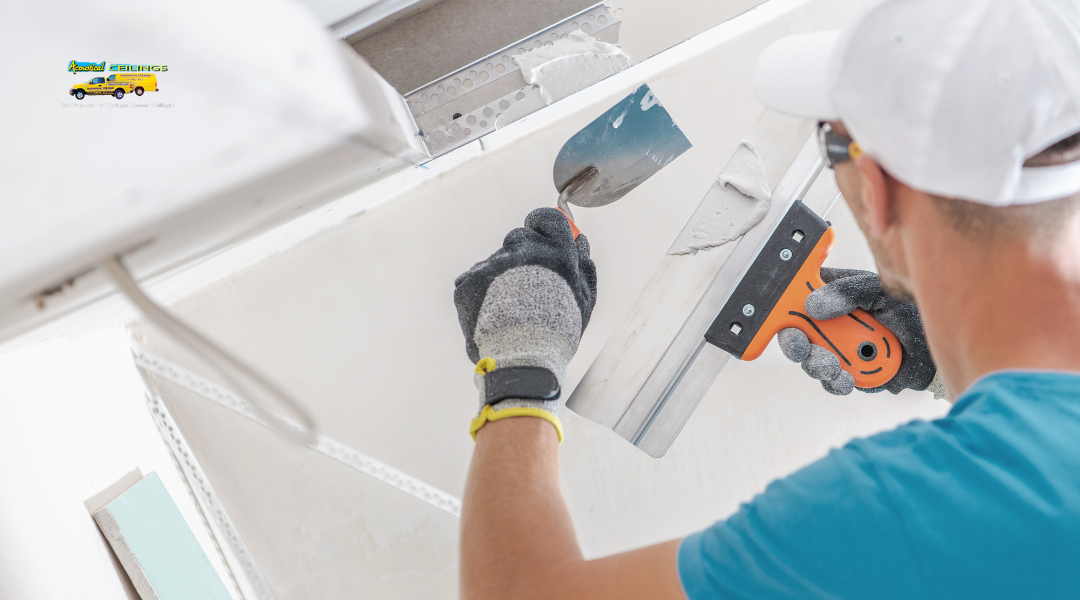
To create seamless joints, use a high-quality joint compound. Apply several thin layers, letting each dry before adding more. This prevents cracks and ensures a smooth surface.
For corners, use corner beads to add stability and achieve clean angles. Install the beads before adding joint compound. When sanding, use a fine-grit sandpaper to smooth out any imperfections.
Consider using a damp sponge to feather edges, which helps blend the compound into the existing surface. This creates a seamless transition that enhances the overall look of your ceiling.
Avoid Common Installation Mistakes
Many errors can affect the finish. One common mistake is not measuring accurately. Always measure twice before cutting panels. This reduces waste and ensures a better fit.
Another mistake is improper alignment. Use a level to keep panels straight. If panels are misaligned, it may lead to uneven surfaces that are hard to fix later.
Don’t forget to allow for expansion. In humid areas, materials can swell. Leave small gaps around the edges to allow for this. Proper spacing keeps your ceiling looking great over time.
Tricks for Speed and Precision in Installation
To speed up your installation, organize your workspace. Gather all necessary tools, such as a t-square, utility knife, and a drywall lift. This helps you work more efficiently.
Use a laser level for precise alignment. This tool ensures your lines are straight and saves time compared to traditional methods. Remember to cut panels ahead of time for smoother installation.
For faster application of joint compound, consider using a paint roller. This method works well for larger areas and covers surfaces quickly. It also reduces the need for multiple brushes and trays.
Conclusion: Complete Your Home Transformation with a Stunning Ceiling
Upgrading your ceiling can greatly enhance your home’s look. A decorative ceiling adds style and can make a room feel unique and inviting.
Consider these benefits of a stunning ceiling:
- Aesthetic Appeal: A well-designed ceiling draws the eye and adds character.
- Increased Value: Attractive ceilings can boost your home’s market value.
- Acoustic Improvement: Acoustical ceilings help reduce noise, making your space more comfortable.
Choosing the right materials and colors is important. Think about how they match your walls and furniture. This helps create a cohesive design.
Installation may seem tricky, but with the right tools and guidance, you can achieve great results. Follow the step-by-step process carefully to avoid mistakes.
Finally, enjoy the transformation. A beautiful ceiling not only enhances your home but also provides pride in your space. Celebrate your new look and the comfort it brings.