As you think about refreshing your home’s interior, 2025 brings exciting ceiling design trends that can transform your space. Styles such as maximalism, which celebrates bold colors and extravagant designs, are making waves. Stripes are also returning, offering a unique way to add visual interest to your ceilings while creating a sense of height.
In this year, the focus is not just on what looks good but also on how these designs enhance your living experience. Modern ceilings are all about personalization and functionality. You can choose from integrated ceiling and wall designs or textured finishes that add dimension to your rooms. These updates not only beautify your home but also improve its overall acoustics and atmosphere.
Consider the options available to you in ceiling design as you plan your next project. With the right approach, your ceilings can become a stunning focal point that reflects your style and elevates your space’s aesthetic appeal.
What’s In For Ceiling Design In 2025
Ceiling design in 2025 emphasizes creativity, comfort, and connection with nature. You will see innovative textures, natural materials, and effective acoustic solutions that enrich spaces, making them more inviting and functional. The trends embrace both aesthetic appeal and practical benefits, catering to modern design preferences.
Statement Ceilings With Bold Textures And Colors
In 2025, statement ceilings take center stage, featuring bold textures and vibrant colors. You can use rich hues like deep greens or warm terracotta to create an eye-catching focal point in any room. Textures such as plaster finishes or metallic elements can add depth and interest.

Incorporating textured patterns enhances the visual appeal. Consider options like waves or geometric shapes. These designs transform ordinary ceilings into artistic expressions. Whether in residential or commercial spaces, a well-crafted statement ceiling reflects your personality and style.
Natural Materials: Wood Slats, Bamboo, And Cork Panels
Natural materials are increasingly popular in ceiling designs. Wood slats provide a warm and inviting atmosphere. You can choose from various finishes to suit your style, such as light oak or dark walnut.

Bamboo and cork panels are also excellent choices. They offer sustainability and a unique look. Bamboo’s natural grain adds a touch of elegance, while cork provides excellent sound absorption.
Using these materials promotes a biophilic design that connects you to nature. They help create a calming environment, perfect for relaxing or focusing.
Acoustic Ceilings That Combine Style With Sound Absorption
Acoustic ceilings are essential for modern spaces, especially in open-concept designs. You can choose ceiling tiles that not only look stylish but also enhance sound quality. These tiles come in various designs, including woven textures and minimalist styles.
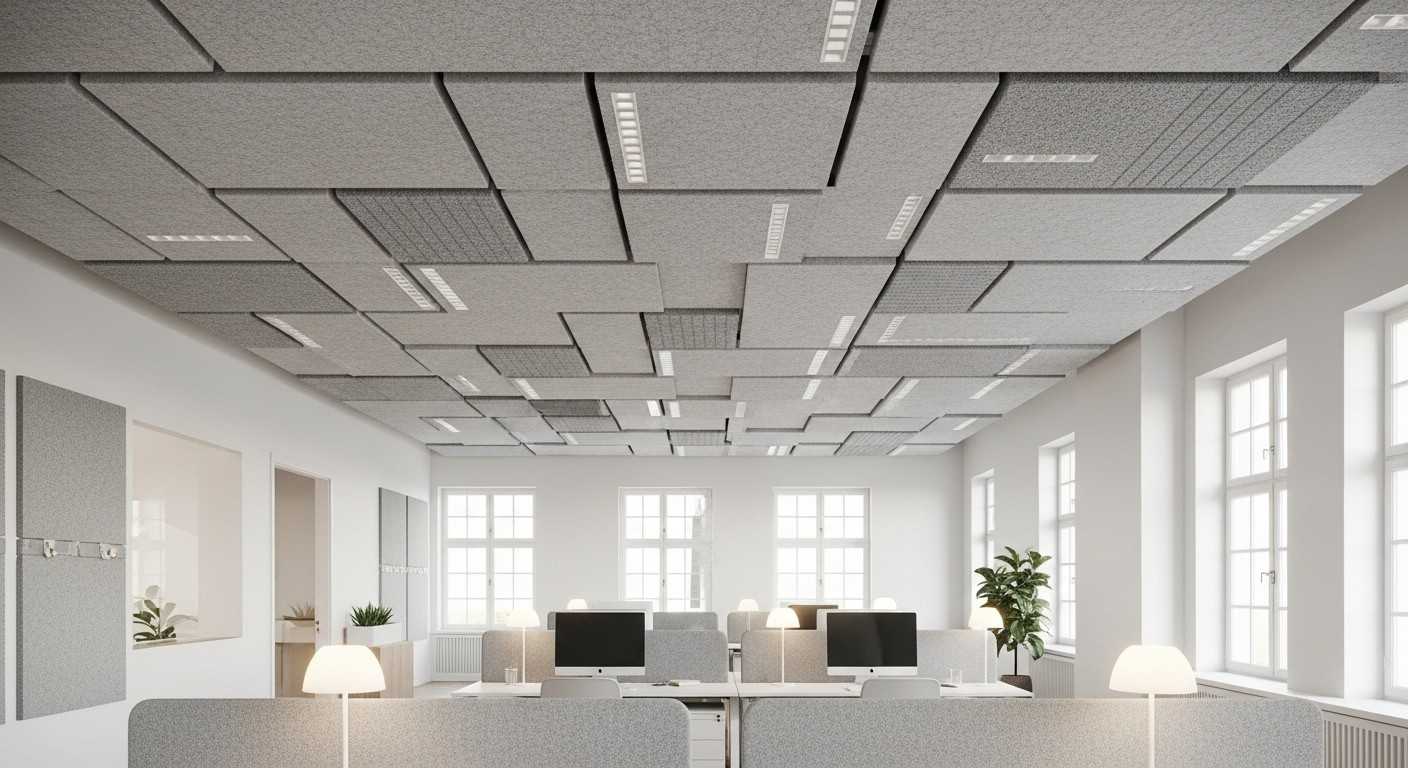
Materials used often include felt, which is effective at absorbing sound. This feature is crucial for maintaining a peaceful atmosphere in busy environments.
By selecting acoustic ceilings, you can effectively control noise levels. This choice is ideal for offices, schools, and homes where tranquility is a priority.
Geometric And 3D Designs For Contemporary Spaces
Geometric and 3D designs are a fantastic way to add dimension to your ceilings. You can consider features like hexagonal panels or intricate shapes that create dynamic visual effects.
These designs work well in contemporary spaces, making them feel more engaging. You might choose flat panels with bold patterns or three-dimensional forms that pop.
Incorporating these elements can elevate your interiors from standard to extraordinary. The interplay of light and shadow enhances the design, creating a lively atmosphere.
Integrated Lighting (Cove, Recessed, And LED Panels)
Integrated lighting becomes a key element in ceiling design. Cove lighting, recessed lights, and LED panels can transform how you perceive space. These lighting options create ambiance and highlight architectural features.
Cove lighting, tucked away in architectural details, provides a soft, indirect glow. This feature enhances mood without being harsh. Recessed lights can be placed strategically to focus on artwork or functional areas.
LED panels are not only energy-efficient but also versatile. You can choose from various colors and brightness levels, allowing you to match the lighting to your mood or activity.
Sustainable And Eco-Friendly Ceiling Materials
Sustainability is vital in ceiling design for 2025. You have many choices when it comes to eco-friendly materials. Products made from recycled content or sustainably sourced wood are increasingly available.
Look for finishes that minimize environmental impact, such as low-VOC paints and adhesives. These options help maintain indoor air quality while making stylish choices for your space.
Incorporating jute or rattan elements can also add natural charm. These materials contribute to a warm minimalism that feels both contemporary and inviting.
By choosing sustainable options, you not only enhance your home but also support a healthier planet.
What’s Out In 2025: Trends Losing Popularity
As design preferences shift, certain ceiling trends are becoming less favored. You can look forward to cleaner lines and more minimalistic designs. Here are the styles that are losing their appeal in 2025.
Popcorn Ceilings And Heavily Textured Finishes
Popcorn ceilings, once a popular choice for covering imperfections, are now viewed as outdated. This textured finish can make spaces feel cluttered and dated.
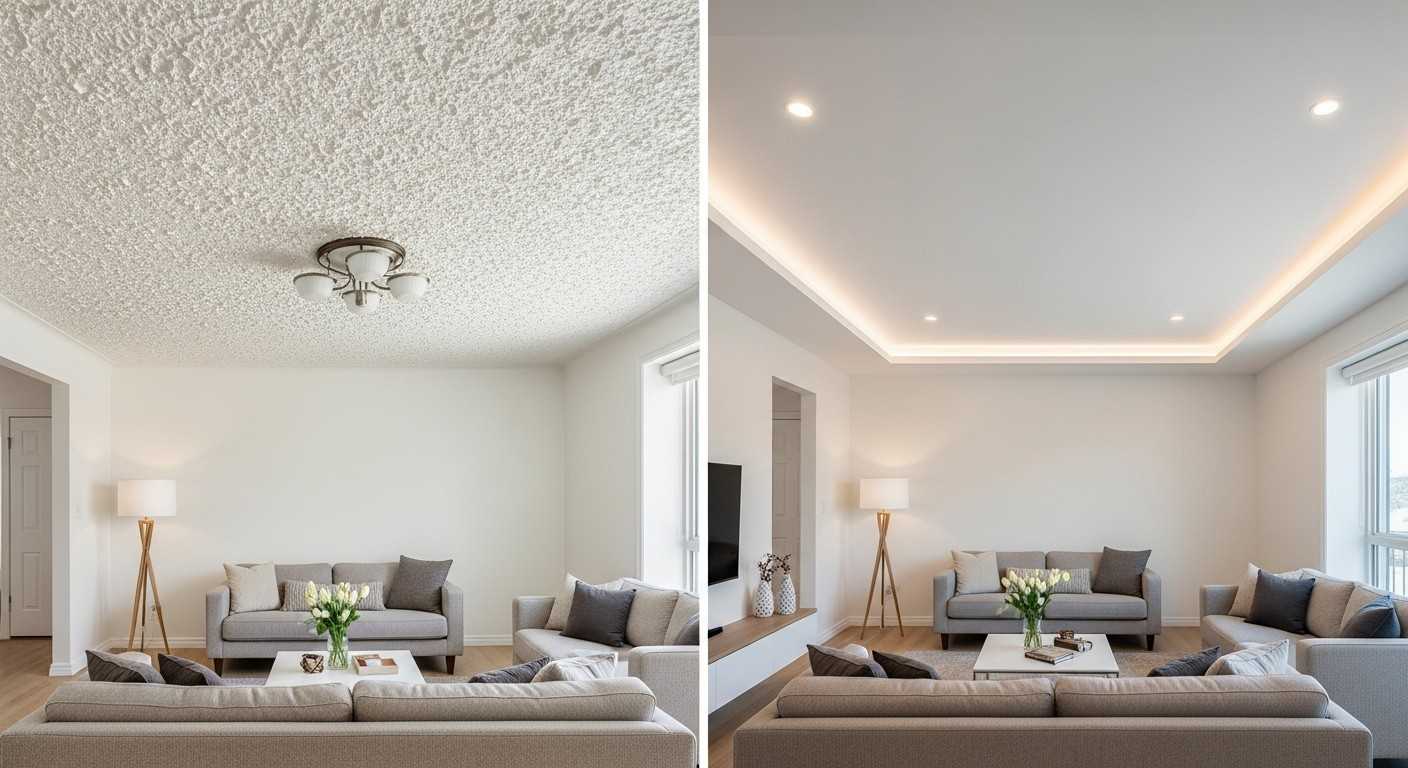
Many homeowners are opting for smooth, flat ceilings that create a modern aesthetic. Textured finishes, like heavy plaster, are also being replaced with more subtle designs.
Consider using a simple, sleek finish to give your room a more open and airy feel.
Traditional Drop Ceilings In Residential Spaces
Drop ceilings, often seen in commercial buildings, are losing popularity in homes. They can give a cramped and institutional vibe, which many homeowners are eager to avoid.
Instead of drop ceilings, consider using drywall for a seamless look. This creates a more polished and sophisticated appearance.
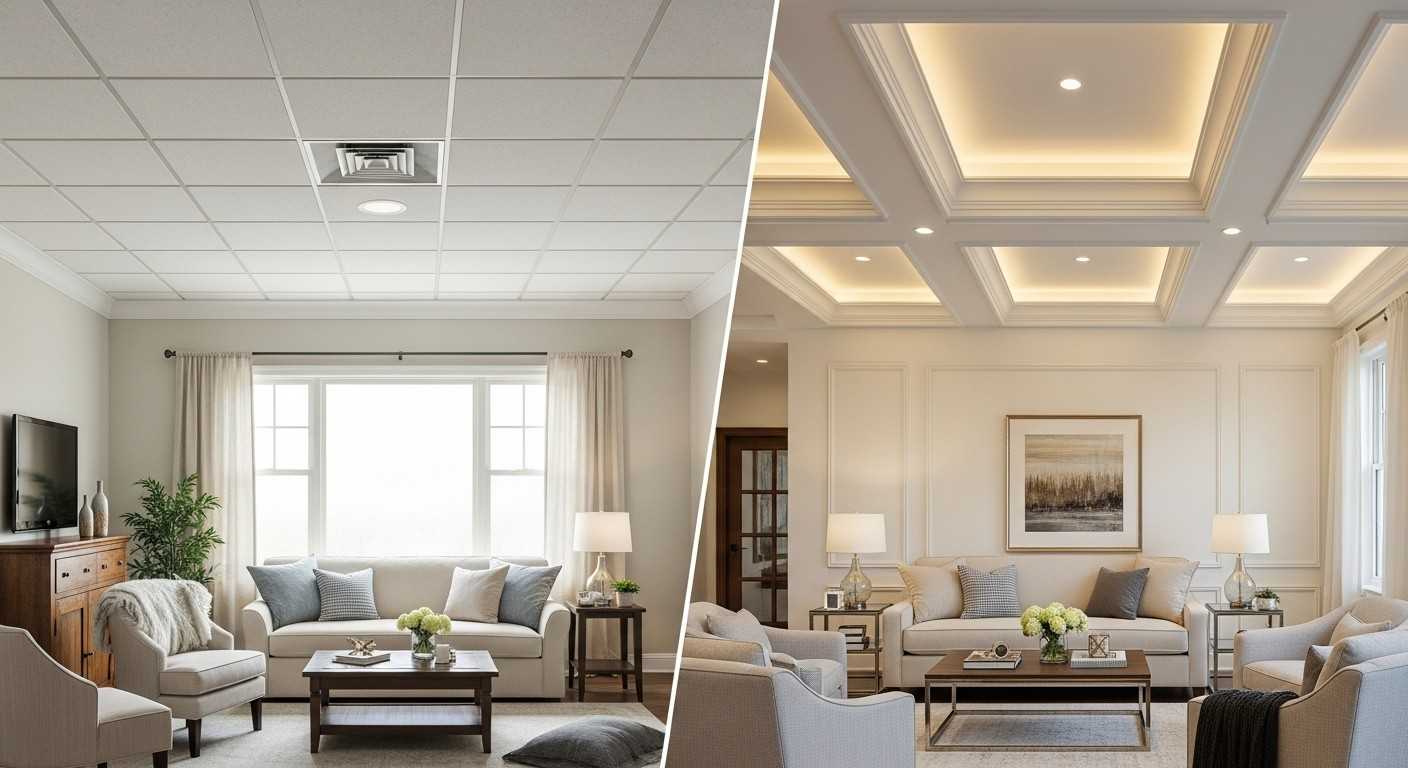
You might also explore other options, such as coffered ceilings or wood beams, to enhance the space and add character.
Excessive Crown Molding And Over-Decorative Elements
Excessive crown molding and over-decorative ceiling elements are falling out of favor. While some trim can add elegance, too much can overwhelm a room and look dated.
Homeowners are now leaning toward simpler designs that offer clean lines without excessive ornamentation. This change allows for a brighter and more open atmosphere.
Subtle crown molding or even eliminating it altogether can give a room a more contemporary feel.
Basic White Paint Without Depth Or Contrast
Ceilings painted in basic white are becoming less appealing for 2025. While white can provide brightness, it often lacks personality and depth.
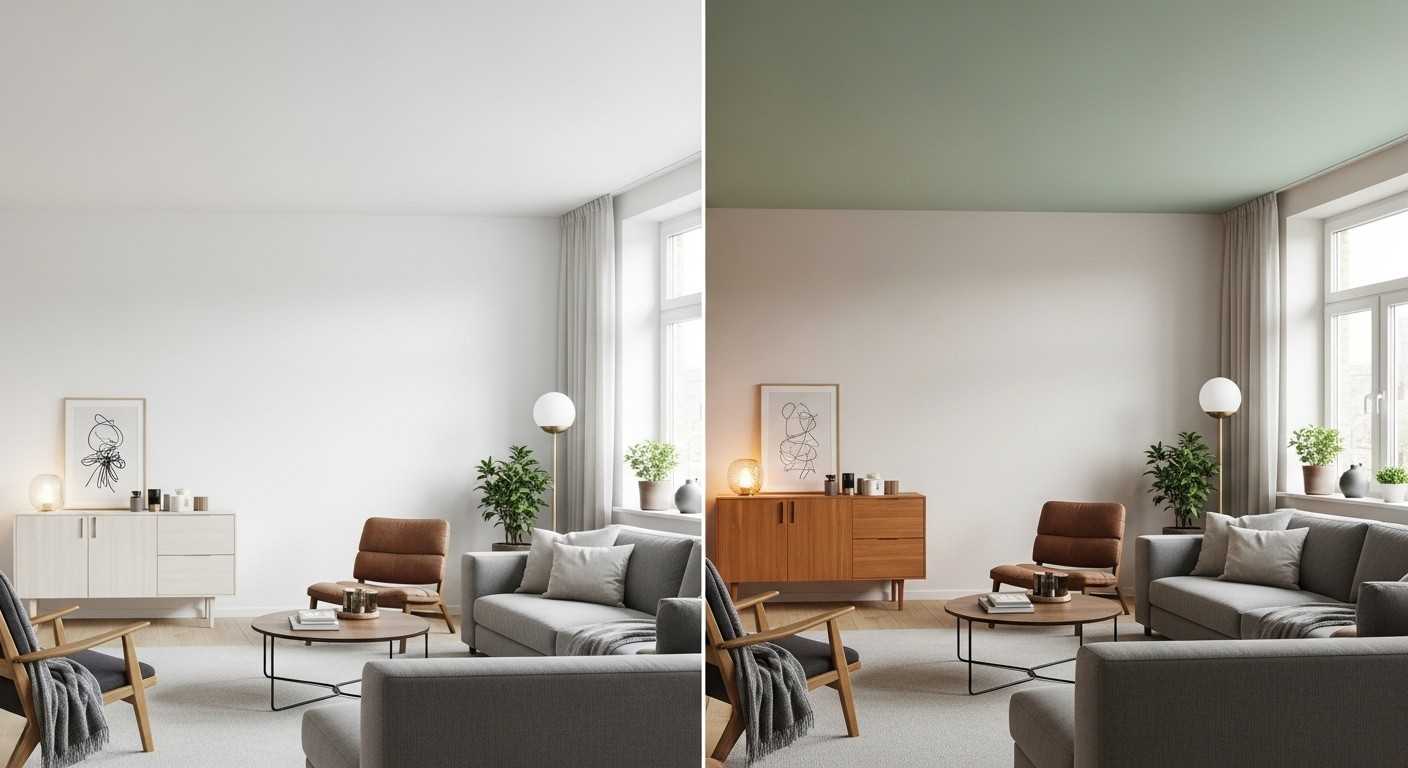
Many people are opting for colors that contrast with wall shades or add a touch of warmth. Soft pastels or subtle earth tones can elevate your ceiling without overwhelming the space.
Consider using a slightly darker or lighter shade than the walls to create visual interest.
Outdated Ceiling Fans With Bulky Fixtures
Bulky ceiling fans are starting to disappear from modern homes. These outdated fixtures can dominate a room and clash with contemporary designs.
Homeowners are now choosing sleek and stylish fans that blend seamlessly into their decor. Look for fans with minimalistic designs and integrated lighting for a modern touch.
You might also consider alternatives like pendant lights or chandeliers for a chic look that enhances your ceilings.
Residential Vs. Commercial Ceiling Trends
In 2025, ceiling design trends differ significantly between residential and commercial spaces. You’ll find that residential areas focus on creating warm and artistic environments, while commercial buildings prioritize functionality and acoustic performance. Each approach reflects the unique needs and preferences of the occupants.
Residential: Creating Cozy, Artistic, And Personalized Spaces
In residential settings, ceilings are evolving into canvases for creativity. Homeowners are choosing designs that enhance comfort and make a statement.
Popular trends include:
- Tray ceilings that add depth.
- Wood beams for a rustic touch.
- Bold colors or wallpapers to express personal style.
Layered ceiling designs with different materials allow for play between light and shadow, making spaces feel more dynamic. Features like recessed lighting enhance aesthetics while providing effective illumination. Additionally, homeowners are increasingly using ceilings to incorporate smart home technology, blending style with innovation.
Commercial: Prioritizing Acoustic Performance And Clean Lines
In commercial spaces, the focus shifts to functionality, particularly sound control and maintaining a professional appearance. Businesses often seek designs that improve the acoustic environment.
Key elements include:
- Acoustical tiles that reduce noise levels.
- Linear ceilings for a sleek look.
- Drop ceilings that allow easy access to HVAC and electrical systems.
These features help create a more productive workspace. The use of materials like metal and fiberglass not only enhances durability but also allows for modern aesthetic choices. Businesses also value energy-efficient ceiling solutions that lower operational costs.
How Acoustical Ceilings Balance Style With Function In Each Setting
Acoustical ceilings serve as a bridge between aesthetics and practicality in both residential and commercial environments. They help control sound and enhance visual appeal.
In homes, acoustical options can blend seamlessly with artistic designs. You can choose styles that complement your decor while providing sound absorption.
In commercial spaces, these ceilings significantly improve the work atmosphere by reducing echo and noise distractions. You’ll find varied designs that fit different types of businesses, from trendy cafes to corporate offices. This versatility makes acoustical ceilings a favored choice for diverse settings, ensuring you don’t have to compromise style for functionality.
How To Choose The Right Ceiling Design For Your Space
Selecting the right ceiling design requires careful consideration of various factors. These range from the function of the room and lighting needs to how the ceiling will complement your overall interior design. Here’s how to make the best choice for your home.
Consider Room Function And Lighting Needs
Think about how you will use the room. Different spaces require different designs. For example, a living room might benefit from a coffered ceiling, which adds elegance. In contrast, a kitchen might need a more practical option that allows for good lighting.
Lighting plays a big role in your ceiling choice. Your ceiling design should support the type of lighting you want. For instance, recessed lights work well in modern designs, while decorative fixtures might suit more traditional styles. Consider how these elements will shape the mood of your space.
Ceiling Height And Room Size Impact
Ceiling height and room size greatly influence your design options. A room with low ceilings can feel cramped with heavy designs. Opt for lighter colors and flat ceilings to make the space feel taller and more open.
In larger rooms, you can afford to be more adventurous. You might choose a vaulted ceiling or add beams for added character. Always balance the scale of the ceiling with the room size to maintain harmony in your design.
Matching Ceilings With Wall And Floor Aesthetics
Your ceiling should connect well with your walls and floors. Choose colors and materials that complement each other. For example, if you have dark wood floors, a lighter ceiling can create contrast and balance.
Textures matter too. If your walls have a lot of texture, like brick or stone, a smooth ceiling can give a nice contrast. This balance will enhance the overall look of your interior design, making each space feel well thought out.
When To Consult A Local Drywall And Ceiling Specialist Like Acoustical Ceilings
Choosing the right ceiling design can be complex, and sometimes you need expert help. A local specialist, such as Acoustical Ceilings, can provide valuable guidance tailored to your specific needs. They will understand the latest trends and technologies in ceiling design.
Consulting with a professional can also save you time and money. They can recommend materials that suit your budget while achieving your desired look. This support ensures that your ceiling design enhances your home’s overall aesthetic and function, making your space truly yours.
The Role Of Technology In Modern Ceiling Design
Technology is changing the way ceilings are designed and experienced. With advancements in smart systems and design tools, you can create more functional and aesthetically pleasing spaces.
Smart Lighting And Automated Systems
Smart lighting is becoming a key feature in modern ceiling design. You can incorporate LED lights that change color or intensity based on the time of day or even your mood.
Automated systems allow you to control the lighting remotely or through voice commands. This means you can set the ambiance for gatherings or quiet evenings with ease.
Additionally, integrating sensors can enhance energy efficiency by adjusting lighting based on natural light levels, which helps reduce your electricity bill while making your home more comfortable.
Ceiling-Mounted Air Quality Or Sound Systems
Modern ceilings can also house advanced air quality and sound systems. These features improve your living environment significantly.
Air purifiers can be integrated into the ceiling, allowing for clean air circulation while saving floor space. This is crucial for maintaining indoor air quality, especially in densely populated areas.
On the sound side, ceiling-mounted speakers deliver clear audio without the clutter of traditional systems. This creates an immersive experience for watching movies or listening to music, enhancing your overall enjoyment of the space.
Use Of CAD And Visualization Tools For Custom Designs
Designing your ceiling has never been easier with advanced CAD (Computer-Aided Design) tools. These software applications let you create customized designs that fit your unique style and needs.
You can visualize different materials, colors, and layouts before making final decisions. This reduces the chances of costly mistakes and ensures you’re happy with your choices.
These tools often include 3D modeling features, allowing you to simulate how your ceiling will look in your space. This way, you can ensure that your vision matches the reality before installation, making the process smoother and more satisfying.