Small rooms often feel cramped and limiting, but the right ceiling design can create an illusion of spaciousness. By using strategic ceiling treatments, it is possible to make small spaces look larger and more inviting without expanding the floor area. These design choices not only enhance visual appeal but also improve the overall atmosphere.
Acoustical Ceilings, a drywall contractor based in Rancho Cucamonga, California, specializes in ceiling solutions that combine form and function. Their expertise in decorative and textured ceilings helps transform compact rooms into open, airy environments. With thoughtful design and professional installation, even the smallest spaces can have a big impact.
Why Ceiling Design Matters in Small Spaces
Ceilings have a direct impact on how spacious a small room feels. Choices involving height, color, texture, and structure can either enhance or reduce the perception of space. The wrong approach can make a room seem cramped, while thoughtful design can open up the area visually.
The Visual Psychology of Height and Space
Height influences perception more than most realize. Higher ceilings naturally make a room feel larger by increasing vertical space, allowing the eyes to travel upward without obstruction.
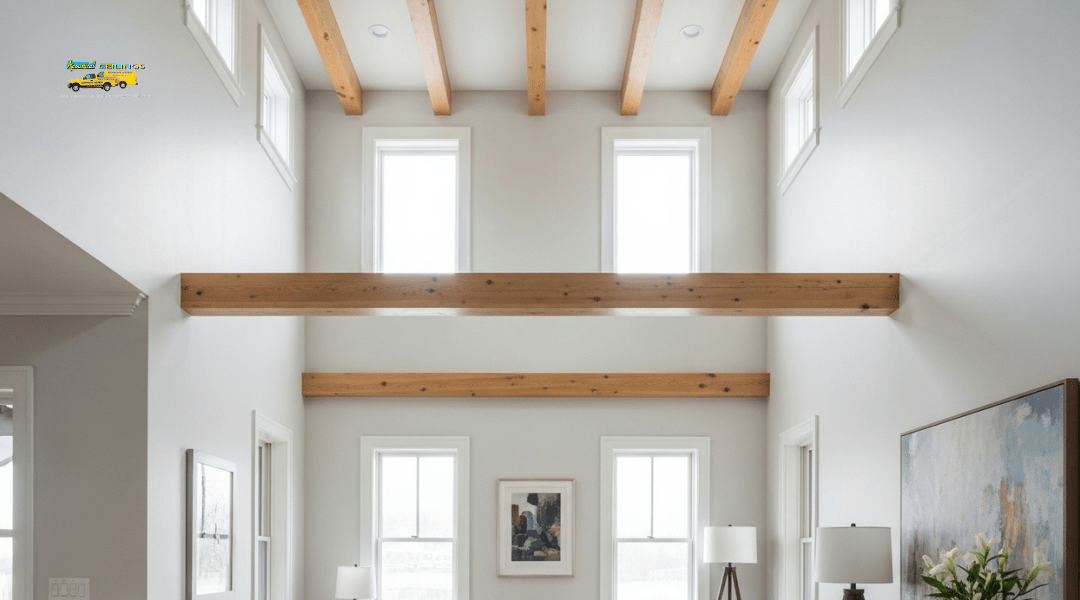
Using lighter colors on the ceiling reflects more light, contributing to a sense of openness. Matte finishes prevent glare that can reduce comfort, while subtle architectural details like beams or recesses create depth without overcrowding the space.
Proper beam placement is critical—fewer, larger beams spaced widely apart give a sense of height and structure. Conversely, many small beams close together can clutter the visual field and make the ceiling appear lower.
Common Ceiling Mistakes That Shrink Rooms
Dark and heavy ceiling colors absorb light, making small spaces feel oppressive. Glossy finishes, when overused, cause harsh reflections that can highlight a room’s limited size instead of concealing it.
Overcrowding the ceiling with design elements like too many beams or intricate moldings compresses the visual height. Similarly, using bulky materials can weigh down the ceiling’s appearance, reducing the feeling of openness.
Ignoring lighting integration often results in shadows that emphasize room corners and low ceilings. Properly placed lighting, especially indirect sources, reduces this effect and helps lift the overall ambience.
Best Ceiling Colors to Visually Enlarge a Room
Choosing the right ceiling color can dramatically affect how spacious a room feels. Utilizing specific color strategies helps increase the perception of height and openness. The following approaches focus on color and finish choices that enhance light reflection and create seamless visual transitions.
Using Light and Neutral Tones for Height Illusion
Light colors, especially whites and soft neutrals like pale beige or light gray, are most effective for making ceilings appear higher. These tones reflect natural and artificial light, creating an airy atmosphere that visually lifts the ceiling.
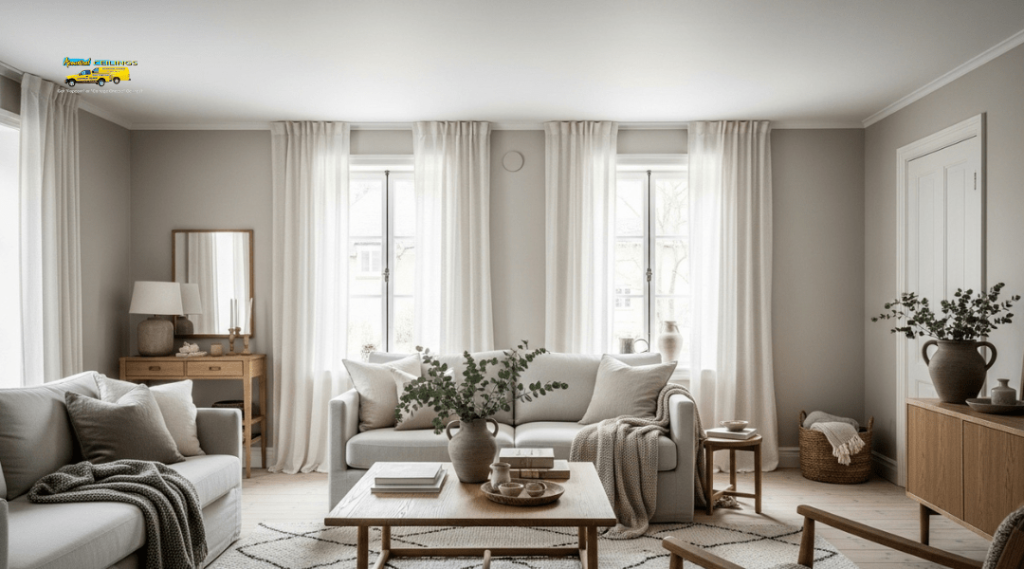
Neutral shades with warm undertones add subtle depth without shrinking the space. They create a gentle contrast with the walls, emphasizing vertical room dimensions without overwhelming the senses. This makes the room feel taller and more open.
They also work well with most décor styles and furniture colors, allowing for flexibility in design while maximizing the sense of space. Lighter ceilings reduce visual weight, which is important in rooms with low ceilings.
High-Gloss Finishes for Reflective Expansion
Applying a high-gloss finish to ceilings enhances light reflection, making the area feel larger and brighter. The sheen acts like a mirror, bouncing both natural and artificial light throughout the room.
This technique is especially useful in rooms with limited natural light or smaller windows. The reflective surface increases perceived volume by visually expanding the spatial boundaries.
High-gloss ceilings pair well with matte walls in neutral shades to avoid visual clutter. The finish requires careful application to look smooth, ensuring the reflective effect is clean and effective rather than uneven or spotty.
Monochromatic Ceilings and Walls for Seamless Space
Painting the ceiling the same color as the walls creates a continuous flow without sharp edges. This seamless transition removes boundaries that typically define the room’s limits, making the space feel larger.
A single, matching color palette, especially in light or mid tones, reduces visual fragmentation. It encourages the eye to move uninterrupted across surfaces, opening up the room’s perception.
This method works well with both matte and satin finishes and is ideal when the chosen hue complements the room’s lighting conditions. It also supports minimalist and modern aesthetics, contributing to a clean, cohesive design.
Creative Ceiling Design Ideas That Maximize Space
Designing ceilings to create the illusion of more space requires attention to depth, pattern, and lighting. These elements work together to enhance the room’s vertical dimension and guide the eye, making the area feel larger and more open.
Tray and Coffered Ceilings to Add Depth
Tray and coffered ceilings introduce architectural depth by recessing or layering the ceiling surface. This creates shadows and dimension, which enlarges the perceived volume of the room without reducing headspace.
A tray ceiling typically consists of a central panel set higher than the surrounding border. This subtle elevation adds a vertical break that draws the eye upward.
Coffered ceilings use a grid of recessed panels, often square or rectangular. The repetition of these panels adds rhythm and visual interest, making the ceiling appear higher and more structured.
Both styles work well with light, neutral paint colors and indirect lighting to emphasize the depth without overwhelming the space.
Striped or Patterned Ceilings for Visual Direction
Stripes or linear patterns on ceilings direct sight lines and create a sense of length or width in compact rooms. Horizontal stripes can widen a narrow room, while vertical stripes guide the eye upward, enhancing height perception.
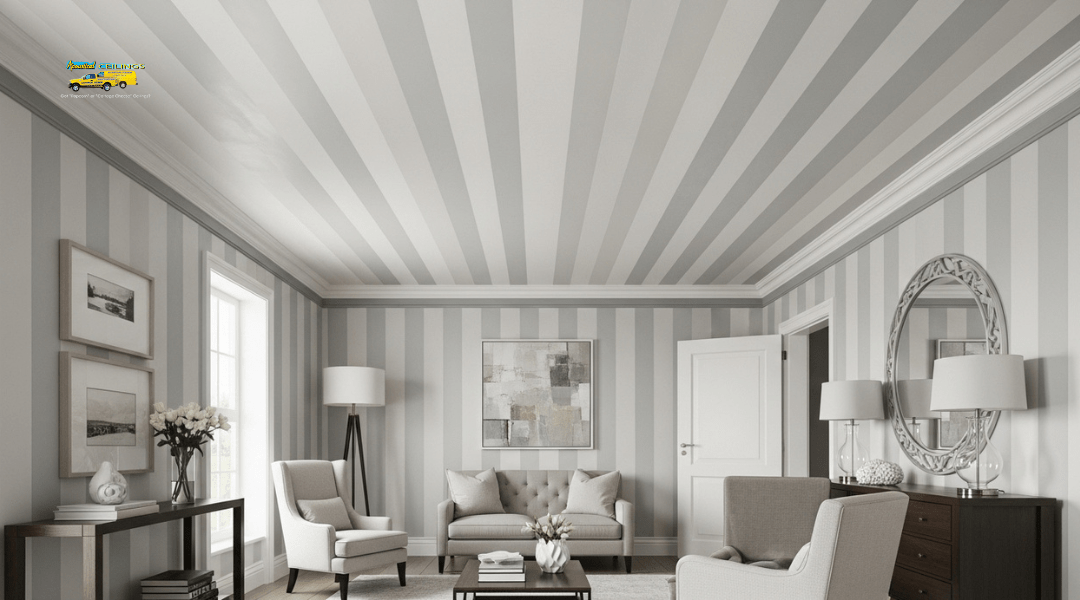
Patterns should be subtle and scaled appropriately. Thin stripes or small-scale motifs avoid overpowering the ceiling. Bold patterns can be confined to a central section or border to maintain balance.
Color choice is important; lighter tones keep ceilings bright and open. Contrasting edges in stripes can define boundaries and add a tailored look, emphasizing architectural form and expanding spatial perception visually.
Recessed Can Lighting to Open Up the Ceiling Plane
Recessed can lights are built into the ceiling, eliminating bulky fixtures that reduce headroom. This approach clears visual clutter, making the ceiling appear taller and the room less crowded.
Positioning recessed lights evenly across the ceiling distributes illumination uniformly. A well-lit ceiling reduces shadows and highlights architectural details like tray or coffered designs.
Dimmers add control, allowing adjustment of brightness to suit different functions and moods while maintaining openness. Recessed lighting pairs effectively with reflective ceiling finishes to enhance the sense of space and cleanliness.
Combining Texture and Paint for Maximum Effect
Using texture alongside paint can significantly impact how spacious a ceiling feels. Strategic application of subtle textures paired with the right paint colors can visually raise the ceiling, while heavy textures may have the opposite effect. Knowing when and how to use texture is essential for maximizing the perception of height.
How Subtle Texture Can Enhance Perceived Height
Subtle ceiling textures, such as light knockdown finishes or smooth, fine stippling, add dimension without overwhelming the space. These textures create gentle shadows that catch and reflect light, making the ceiling appear higher.
When combined with light, monochromatic paint colors, subtle texture blends with the ceiling, avoiding harsh contrasts. This technique creates a continuous surface that draws the eyes upward and away from walls that might close in the room.
Matte or eggshell finishes work well with subtle textures because they diffuse light evenly. This avoids glare or sharp reflections that could reduce the sense of openness. Light textures paired with soft paint tones increase depth and make the ceiling feel less flat, contributing to a larger, airier appearance in compact rooms.
When to Avoid Heavy Textures in Small Rooms
Heavy textures like popcorn or thick stucco on ceilings can have a shrinking effect in small spaces. Their bulky appearance traps shadows and creates uneven surfaces that overwhelm limited square footage.
In low-ceiling rooms, thick textures draw attention downward, making the ceiling feel lower and the room more cramped. These textures also complicate lighting since they cast harsh shadows that reduce the sense of light and space.
For rooms smaller than 150 square feet or with ceilings below 8 feet, smooth or lightly textured finishes are preferable. If texture is desired, it should be minimal and paired with light, uniform paint colors to maintain balance. In these cases, avoiding heavy textures preserves an open feel and prevents the ceiling from dominating the room visually.
Popcorn Ceiling Removal: A Small Change, Big Impact
Removing a popcorn ceiling can significantly alter the perception of a room’s size and brightness. This relatively simple update removes visual clutter and opens up the architectural lines of the space. It also allows for modern finishes that reflect light more effectively.
How Popcorn Ceilings Make Spaces Feel Cramped
Popcorn ceilings create a textured, uneven surface that disrupts light distribution. This texture tends to cast tiny shadows, which can make ceilings look lower and rooms appear smaller and more enclosed.
The uneven surface also draws the eye upward to the bumpy texture rather than the room’s overall dimensions, reinforcing a sense of confinement. In older homes, popcorn ceilings might contain asbestos, which can add health concerns and limit renovation options without professional testing.
The irregular pattern absorbs light instead of reflecting it, reducing overall brightness – a key factor when trying to make small rooms feel larger.
Smooth, Sleek Alternatives for a Cleaner Look
Replacing popcorn texture with a smooth ceiling enhances light reflection, making rooms feel more open and airy. Modern finishes such as flat drywall or light-reflective paints create crisp, clean surfaces that visually raise the ceiling height.
Smooth ceilings provide a blank canvas for designers to use lighting techniques, like recessed or cove lighting, which further expand spatial perception. They also reduce dust and allergen retention, improving indoor air quality, especially important in smaller living areas.
DIY removal is possible but involves precautions like testing for asbestos and using protective gear. Many homeowners opt to hire professionals to ensure safety and a flawless finish.
Expert Tips for Small Room Ceiling Renovations
Successful ceiling renovations in small rooms rely on thoughtful lighting, careful alignment with the room’s purpose, and professional installation. These elements work together to enhance perceived space and maintain functional design.
Prioritize Lighting Integration with Ceiling Design
Lighting is essential in small rooms and can significantly affect how spacious a ceiling feels. Combining recessed lights, LED strips, or pendant fixtures directly into the ceiling can brighten the space without cluttering it.
Using lighter ceiling colors reflects more light. Installing dimmable options offers flexibility to adjust mood and brightness. Properly placed lighting eliminates shadows that make rooms feel cramped.
Consider layering lighting—ambient, task, and accent—to create depth. Integrating lighting within architectural features like beams or tray ceilings enhances the ceiling design while improving illumination.
Align Ceiling Features with Room Layout and Use
Ceiling designs should complement the specific function and layout of the room. In compact living areas, simple, streamlined ceilings prevent overwhelming the space.
For example, fewer and larger wooden beams spaced widely can add interest without overcrowding. In bedrooms or cozy spaces, textured ceilings or subtle patterns work well without competing with furniture.
Avoid overly complex or heavy ceiling treatments in small rooms. Align features with furniture placement, ensuring the ceiling directs attention upward and opens the room visually rather than dividing it.
Consider Professional Help for Seamless Execution
Ceiling renovations require precision, especially in small spaces where mistakes are more noticeable. Professionals like Acoustical Ceilings understand material behavior, finishing techniques, and how to maximize height appearance.
They provide expert drywall installation, smooth finishes, and accurate lighting integration. This avoids costly errors and ensures the ceiling complements the entire room.
Hiring specialists also helps navigate challenges like wiring, beam installation, or applying layered textures. It guarantees a clean, cohesive result that enhances space without compromising durability or aesthetics.
Why Choose Acoustical Ceilings in Rancho Cucamonga
Acoustical Ceilings offers specialized expertise in ceiling design and drywall work tailored to small, space-challenged rooms. Their solutions focus on enhancing spatial perception using custom techniques and high-quality materials. The company balances innovative designs with practical execution, ensuring efficient service and durable results.
Experience in Transforming Tight Interiors
With over 40 years of service in Rancho Cucamonga, Acoustical Ceilings has extensive experience in improving small spaces. The team understands how ceiling design can influence a room’s feel by using textures, lighting, and structural treatments suited for compact areas.
They consistently deliver practical, aesthetic improvements by addressing common issues like low ceilings and awkward angles. Their past projects demonstrate skill in adapting methods such as popcorn ceiling removal and installation of coffered or custom textured ceilings designed specifically to open up confined interiors.
Custom Ceiling Solutions for Space-Challenged Rooms
Acoustical Ceilings specializes in tailored options that enhance the illusion of height and space. They offer designs including recessed lighting, crown molding, and smooth finishes that reduce visual clutter. This approach helps rooms feel larger without major remodeling.
Each project starts with a detailed assessment of the room’s dimensions and lighting conditions. The company then develops ceiling solutions that suit the homeowner’s style while maximizing spatial efficiency. This custom focus ensures the ceilings contribute positively to the room’s overall flow and feel.
Efficient, Clean Workmanship with Lasting Results
The company emphasizes a clean and efficient process from start to finish. They minimize disruption and mess through careful preparation and professional techniques, such as precise drywall installation and texture application.
Durability is paramount in every job. Acoustical Ceilings uses quality materials and tested methods to ensure the ceilings maintain their appearance and function over time. Their client commitments include transparent communication and timely project completion, which are critical for customer satisfaction.