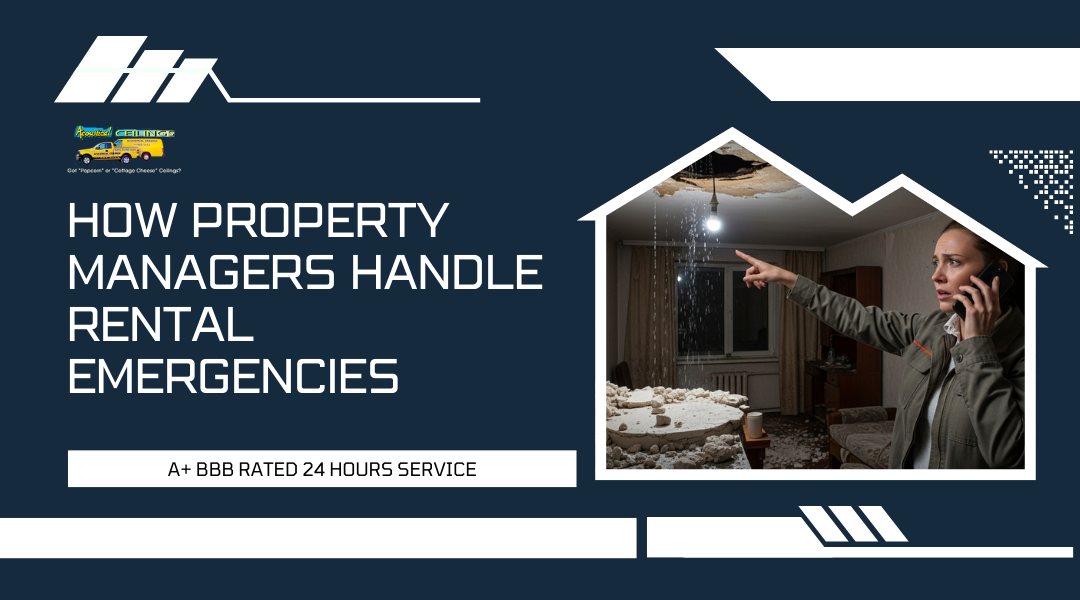
When you get a call about ceiling damage at 3 AM, your response in the next few minutes can mean the difference between a quick repair and thousands of dollars in additional damage. Ceiling emergencies don’t wait for business hours, and as a property manager, you need a clear plan to protect both your property and your tenants. Water stains spreading across a ceiling, sagging drywall, or visible cracks can signal serious problems that require immediate action.
Property managers should respond to emergency ceiling damage calls by immediately assessing whether the situation poses a safety risk, containing the damage at its source, and dispatching a qualified local contractor who understands regional building requirements and can provide same-day service. A ceiling collapse or major leak demands urgent attention, while a small water stain might safely wait until morning. Knowing this difference protects you from unnecessary after-hours costs while ensuring you meet your legal duty to maintain safe housing.
This guide walks you through the exact steps to take when ceiling damage calls come in. You’ll learn how to quickly evaluate the severity of the problem, what immediate actions prevent further damage, and how working with an experienced local contractor simplifies the entire process. Understanding your legal obligations and the tradeoffs between emergency response and planned repairs helps you make smart decisions that protect your investment.
Defining Emergency Ceiling Damage Scenarios
Ceiling damage becomes an emergency when it threatens tenant safety or creates uninhabitable conditions requiring immediate response. Proper classification helps you dispatch resources effectively and avoid unnecessary after-hours costs while meeting your legal obligations.
Indicators Of Immediate Structural Risk From Leaks
Water stains on a ceiling don’t always mean emergency action is needed. You should look for specific warning signs that indicate structural failure is imminent or already occurring.
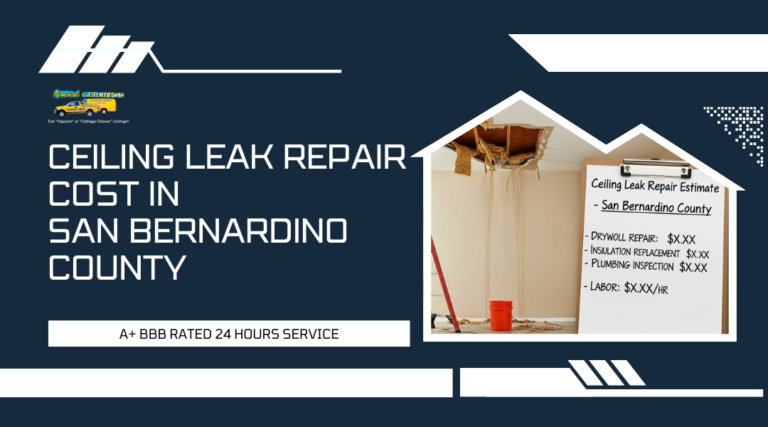
Active water penetration with visible dripping or streaming requires immediate response. This signals major plumbing failures, sewer backups, or roof breaches that will worsen rapidly without intervention.
Sagging or bulging ceiling sections indicate water saturation that compromises structural integrity. The ceiling material is holding trapped water and could collapse at any moment, creating serious injury risks and extensive property damage.
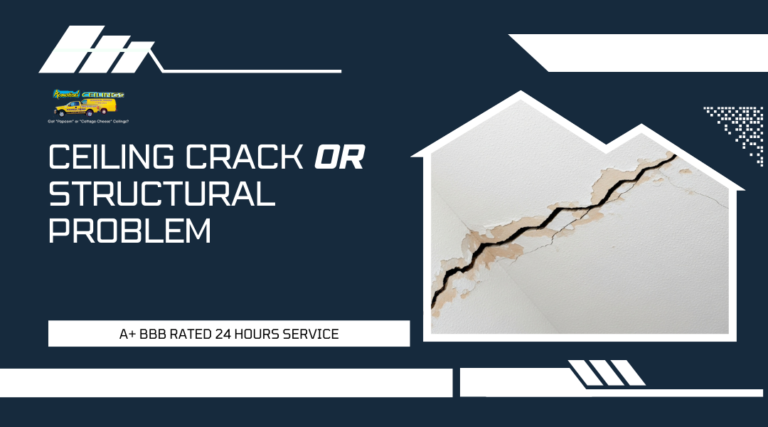
Visible cracks that widen or multiply point to foundation issues or structural damage requiring urgent assessment. Small hairline cracks might wait, but expanding fractures suggest active movement that threatens stability.
Exposed wires or electrical fixtures coming loose from a damaged ceiling create immediate electrical hazards. Water and electricity together present life-threatening risks that demand same-day resolution.
Brown or black discoloration spreading across ceiling surfaces often indicates mold growth from prolonged moisture exposure. While not always an immediate structural threat, this creates habitability concerns requiring prompt remediation within 24-48 hours.
Distinctions Between Tenant-Caused And Habitability Issues
Your response approach differs based on whether ceiling damage stems from tenant actions or building system failures. What qualifies as emergency maintenance depends partly on the underlying cause.
Tenant-caused damage from negligence or misuse doesn’t automatically constitute a rental property emergency. A ceiling water stain from an overflowing bathtub the tenant left running falls into this category. You still need to assess structural risks, but the tenant may bear financial responsibility.
Building system failures creating uninhabitable conditions require immediate landlord response regardless of timing. Plumbing emergencies like burst pipes between floors, sewer backup affecting ceiling integrity below bathrooms, or roof leaks during storms are your responsibility to address urgently.
The habitability test determines emergency status. If ceiling damage eliminates heat in freezing temperatures, causes complete power outage through electrical problems, creates HVAC failure by damaging ductwork, or makes rooms unusable due to sewage backup exposure, you must respond immediately.
Document everything with photos and timestamps. This protects you legally whether the damage stems from tenant actions, normal wear and tear, or building system failures.
Initial Response And Damage Containment Steps
When you receive emergency maintenance calls about ceiling damage, your first priority is to stop any active water flow and secure the affected area. Quick action protects both tenant safety and your property while reducing repair costs.
Securing The Site And Stopping Water Flow
You need to locate the water source within minutes of getting the emergency call. If water is coming from a burst pipe, shut off the water supply at the nearest valve or the main line. For roof leaks, place buckets and tarps to catch water and protect furniture and flooring.
Move any electronics, furniture, and valuables away from the damaged area immediately. Water spreads quickly through ceiling materials and can cause additional damage to lower floors.
Document everything with photos and videos before you start containment work. This record helps with insurance claims and tracks the damage scope for emergency repairs.
If the ceiling shows signs of sagging or bulging, evacuate the area right away. Waterlogged ceiling materials can collapse without warning, creating serious safety hazards.
Contact your 24/7 emergency maintenance team or emergency hotline as soon as you complete initial containment. Professional help should arrive within your emergency response time standards.
Tenant Notification And Safety Measures
Call the affected tenant immediately after securing the site to explain what happened and what steps you are taking. Clear tenant communication prevents panic and builds trust during stressful situations.
Provide specific safety instructions based on the damage severity. Tell tenants to avoid the affected rooms, turn off electrical circuits if water is present, and keep children and pets away from the area.
If the damage makes the unit unsafe, arrange temporary housing right away. Your emergency response system should include hotel contacts and relocation procedures for after-hours emergency maintenance situations.
Update tenants every few hours about repair timelines and when they can safely return to affected areas. Use multiple channels like phone calls, texts, and emails to ensure your tenant communication reaches them.
Keep your maintenance contact center informed so they can field follow-up questions and coordinate with emergency maintenance management teams for ongoing repairs.
Assessment Through A Local Contractor’s Regional Lens
Local contractors bring climate-specific knowledge that property management software cannot replicate. In San Bernardino County, experienced vendors understand how desert heat, seasonal monsoons, and elevation changes affect ceiling integrity and moisture patterns.
Diagnosing Moisture In San Bernardino’s Varied Climates
San Bernardino County spans desert valleys, mountain communities, and foothill zones. Each microclimate creates different ceiling damage patterns that require tailored assessment approaches.
Desert floor properties in cities like Victorville and Hesperia face extreme temperature swings. HVAC technicians familiar with these areas know that condensation forms when daytime heat meets nighttime cooling. Your contractor should check for poorly insulated ductwork running through attics where temperatures can hit 150°F in summer.
Mountain communities like Big Bear and Running Springs deal with snow load and ice dam issues. Roofing specialists in these areas examine ceiling stains for patterns that indicate ice melting and refreezing at roof edges. They understand when a ceiling leak stems from winter weather versus a plumbing failure.
Foothill zones experience flash flooding during monsoon season. Contractors experienced with Rancho Cucamonga and Fontana properties recognize ceiling damage from wind-driven rain versus slow roof deterioration. This knowledge helps your preventive maintenance schedule address the right root cause.
Insights From Acoustical Ceilings’ Water Damage Repair Operations
Acoustical Ceilings operates across San Bernardino and understands regional building codes and common construction methods. Their teams assess ceiling damage within the context of local building standards and insurance requirements.
They document damage patterns that help your property management services determine whether the issue requires emergency response or fits into routine maintenance windows. Their electricians check for compromised wiring before declaring a water-damaged ceiling safe. Their reports include specific repair timelines that feed into your work order management system.
Their assessment protocols include:
- Moisture meter readings at multiple ceiling points
- Structural integrity checks of ceiling joists and drywall
- Documentation that meets local building department standards
- Coordination with plumbing inspections when pipe leaks are suspected
- Cost estimates that separate emergency repairs from preventative maintenance upgrades
This vendor coordination reduces emergency maintenance costs by catching issues before they escalate. You receive actionable data that improves your preventive maintenance program and helps predict future problems in similar units.
Legal Obligations And Tradeoff Evaluations
Property managers must respond to ceiling damage within legally required timeframes while weighing repair costs against long-term tenant satisfaction and property value. California law requires immediate action for emergencies that threaten safety or habitability, but managers also face practical decisions about insurance claims and retention strategies.
California Timelines For Urgent Vs. Non-Urgent Fixes
California Civil Code requires you to maintain habitable conditions and respond to emergency repairs immediately. Ceiling damage counts as urgent when it creates safety hazards like falling debris, exposes electrical wiring, or allows water intrusion that could cause mold within 24-48 hours.
You must acknowledge emergency ceiling calls right away and dispatch help the same day. Non-urgent ceiling issues like cosmetic cracks or minor stains can wait for regular business hours.
Response timeline requirements:
- Emergency ceiling damage: Same-day response required
- Habitability threats: 24-hour maximum response time
- Non-emergency repairs: 30 days under normal conditions
Failing to meet these timelines exposes you to liability claims and rent withholding rights for tenants. Document every call with timestamps and photos to protect yourself legally.
Balancing Repair Costs, Insurance Claims, And Tenant Retention
You face real tradeoffs when ceiling damage occurs. Filing insurance claims may seem like the obvious choice, but consider your deductible and potential premium increases against repair costs.
Small repairs under $2,500 often cost less than your deductible plus future premium hikes. Pay out of pocket for minor damage to keep your claims history clean. Reserve insurance for major structural issues or extensive water damage.
Maintaining tenant satisfaction often justifies spending more on faster repairs. A quality tenant paying $2,400 monthly generates $28,800 annually. Losing them over delayed ceiling repairs costs you turnover expenses plus vacancy losses that dwarf most repair bills.
Cost consideration factors:
- Insurance deductible vs. actual repair cost
- Premium increase risk for next 3-5 years
- Tenant lease value and retention probability
- Vacancy costs during turnover period
Quick professional repairs build tenant loyalty and prevent security breaches from exposed spaces. Through proper tenant education about reporting damage early, you can catch problems before they become expensive emergencies.